
An Independent Publication · Est. 2026

Understand CBD
before you choose it.

Clear, careful writing about hemp, cannabinoids, ingredients and labels — for readers who want the real vocabulary, not the marketing.

Section 01 · Vocabulary

CBD in plain English.

Six terms carry most of the weight in a CBD conversation. Learn these and almost every label starts to make sense.

CBD
Cannabidiol — a non-intoxicating compound produced by the hemp plant.
Hemp
A variety of Cannabis sativa cultivated for fibre, seed and cannabinoids, legally defined by low THC content.
Cannabinoids
A family of over one hundred compounds naturally produced by the plant, including CBD, CBG and THC.
THC
Delta-9 tetrahydrocannabinol — the intoxicating cannabinoid, present in hemp only in trace amounts.
Terpenes
Aromatic compounds that shape a plant's smell and character. Not intoxicating.
Extract
The concentrated form of the plant's compounds, prepared as full-spectrum, broad-spectrum or isolate.

Section 02 · Process

From hemp plant to finished format.

Every CBD product on a shelf has travelled through the same seven-step arc. Reading a label without knowing the arc is like reading the last page of a novel.

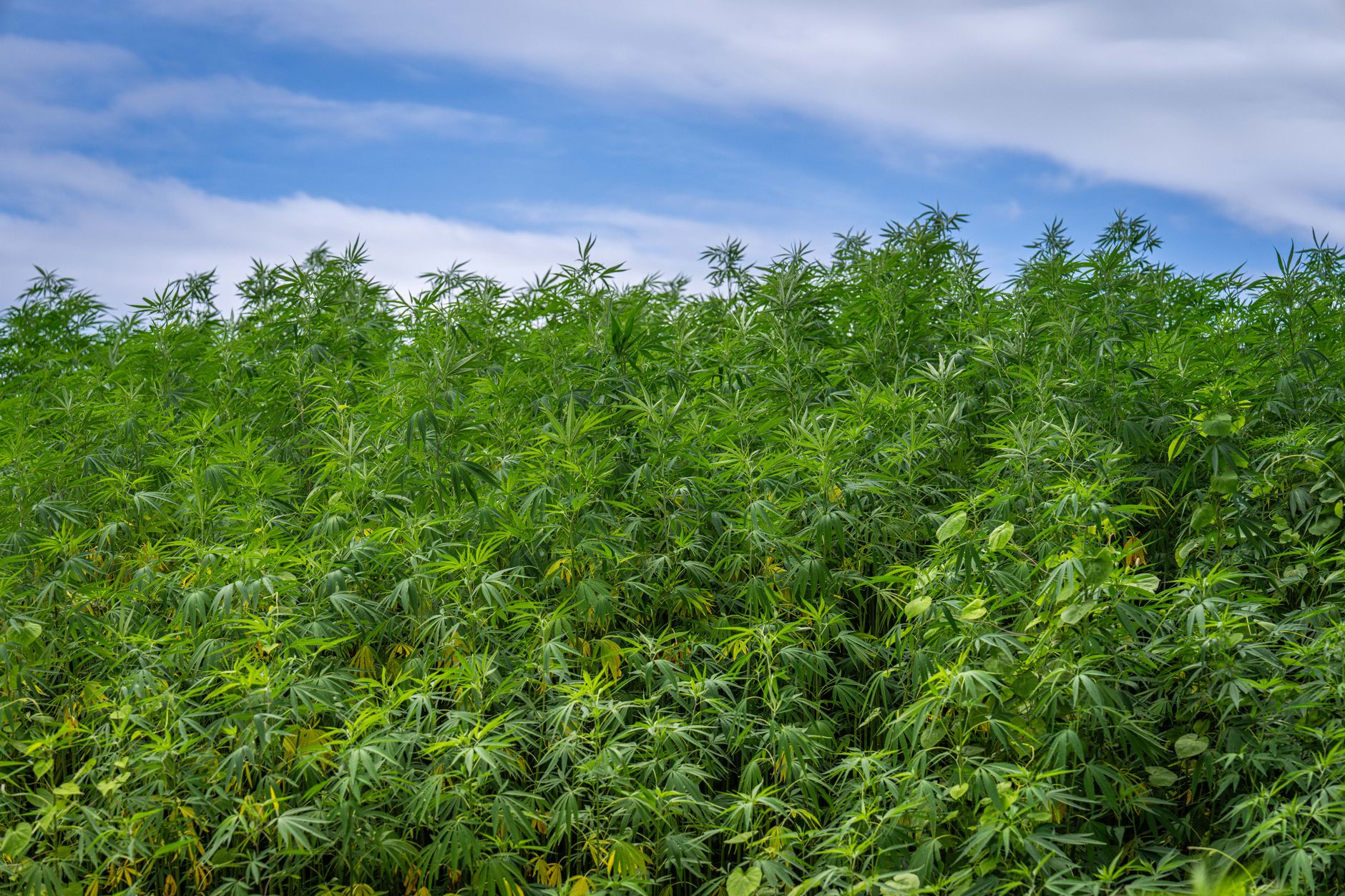
Rows of hemp plants growing in an open field.
  1. 01

    Cultivation

    Hemp is grown outdoors, in greenhouses or indoors, with attention to variety, soil and light.

  2. 02

    Harvesting

    Flowering plants are cut, hung and prepared for the next stage.

  3. 03

    Processing

    Dried plant material is milled or trimmed for downstream extraction.

  4. 04

    Extraction

    CO₂, ethanol or other solvents pull cannabinoids and terpenes out of the plant.

  5. 05

    Testing

    Samples travel to a third-party laboratory for cannabinoid and contaminant analysis.

  6. 06

    Formulation

    The extract is combined with carriers, sweeteners, botanicals or other ingredients.

  7. 07

    Packaging & labeling

    The finished product is filled, labelled with a batch number and shipped.

Section 04 · Label literacy

How to read a CBD label.

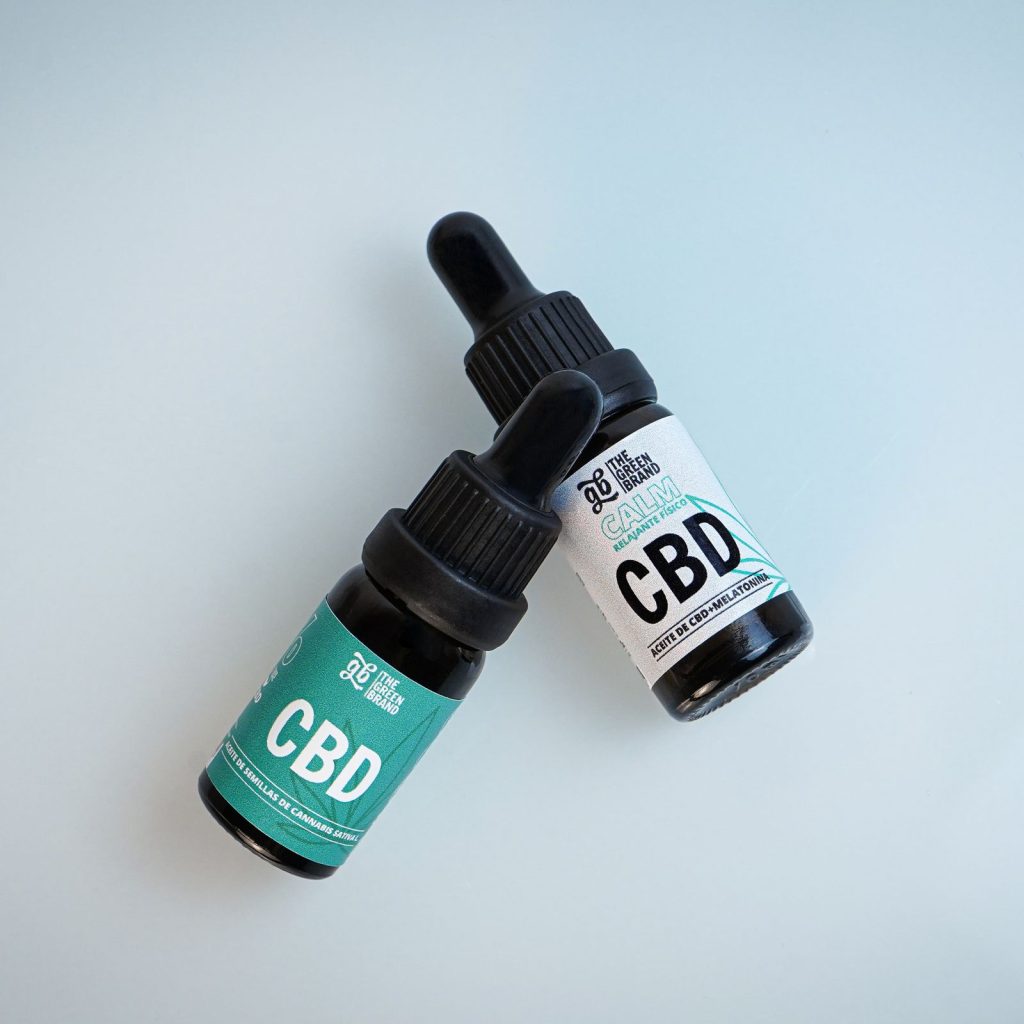
A trustworthy label describes what is in the container. Everything else — the imagery, the promises, the badges — is decoration.

  • Total CBD in the container, in milligrams.
  • CBD per serving, and number of servings.
  • Extract type: full-spectrum, broad-spectrum or isolate.
  • Full ingredient list and carrier oil.
  • Batch number linking to a Certificate of Analysis.
  • Manufacturer name and country of origin.
Read the full label guide
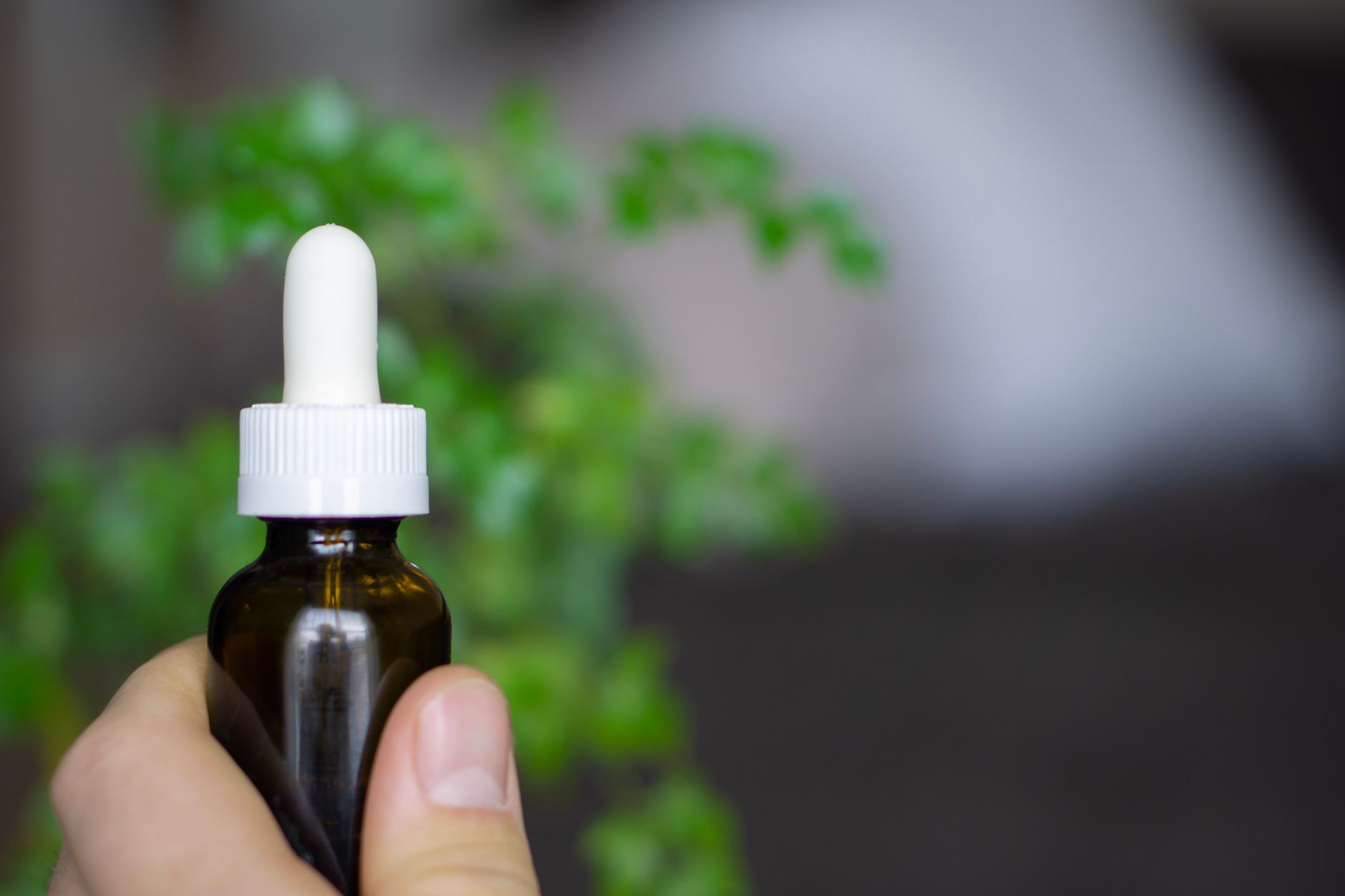
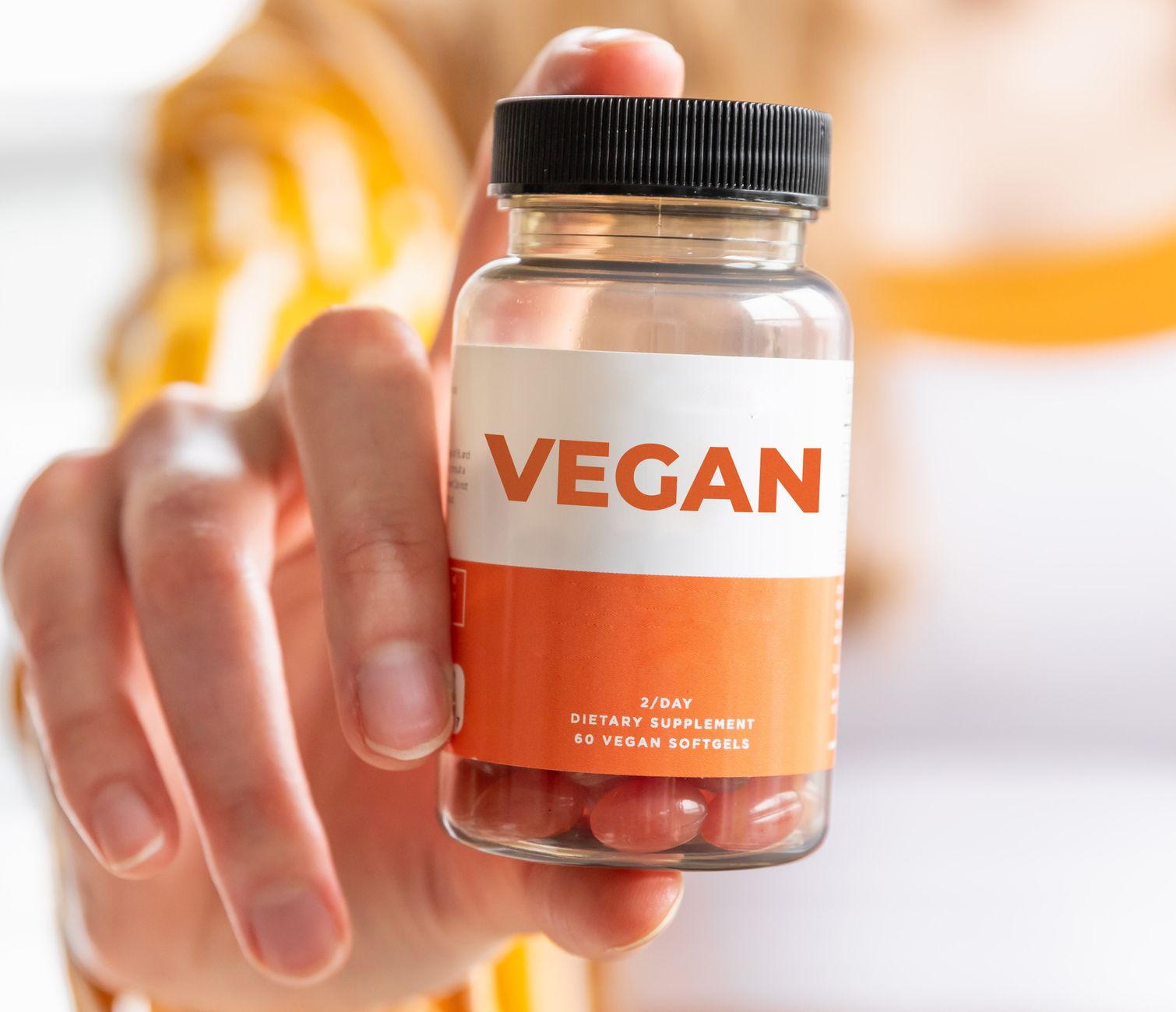
A hand holding a small dropper bottle, reading the label carefully.
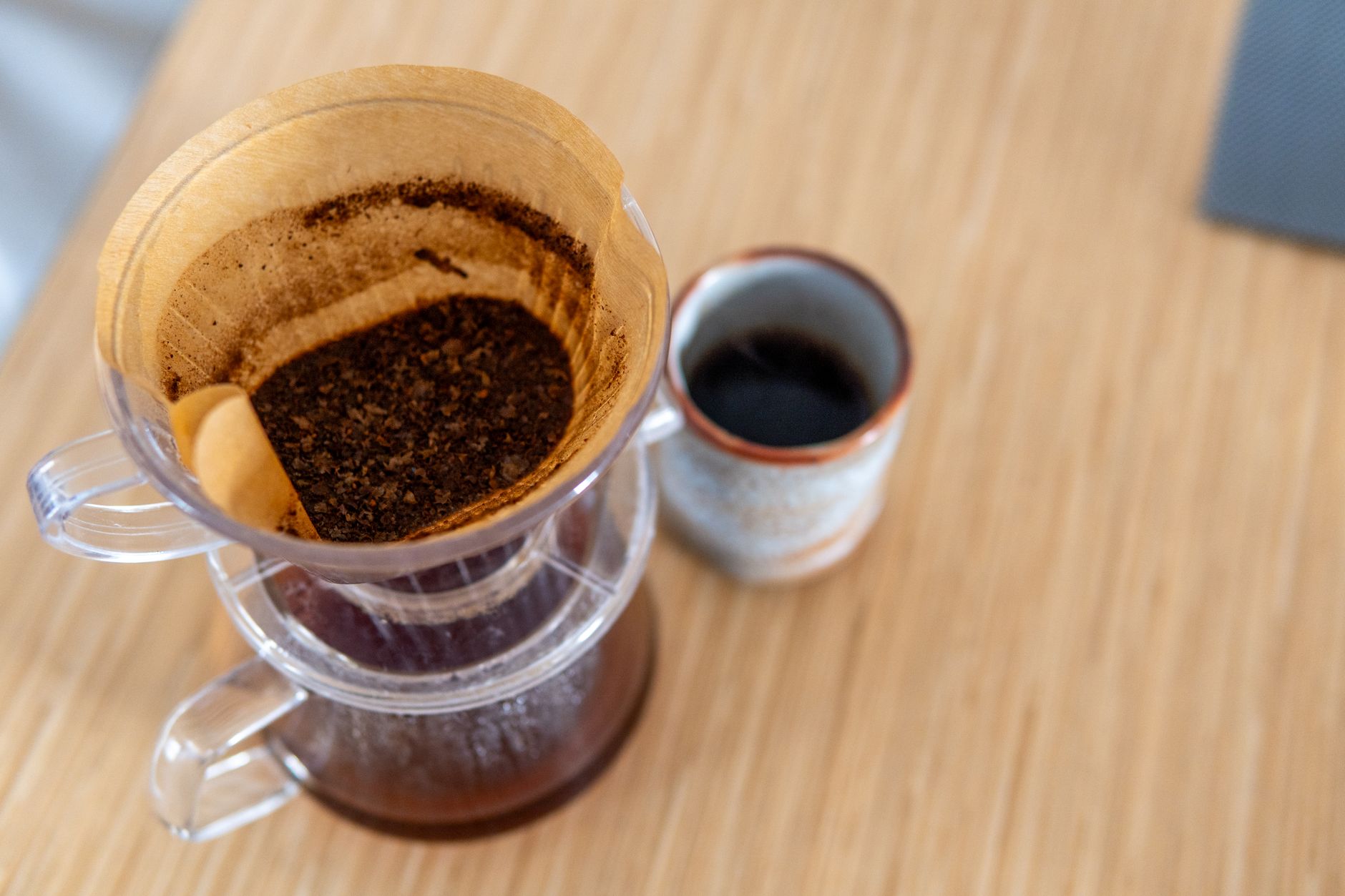
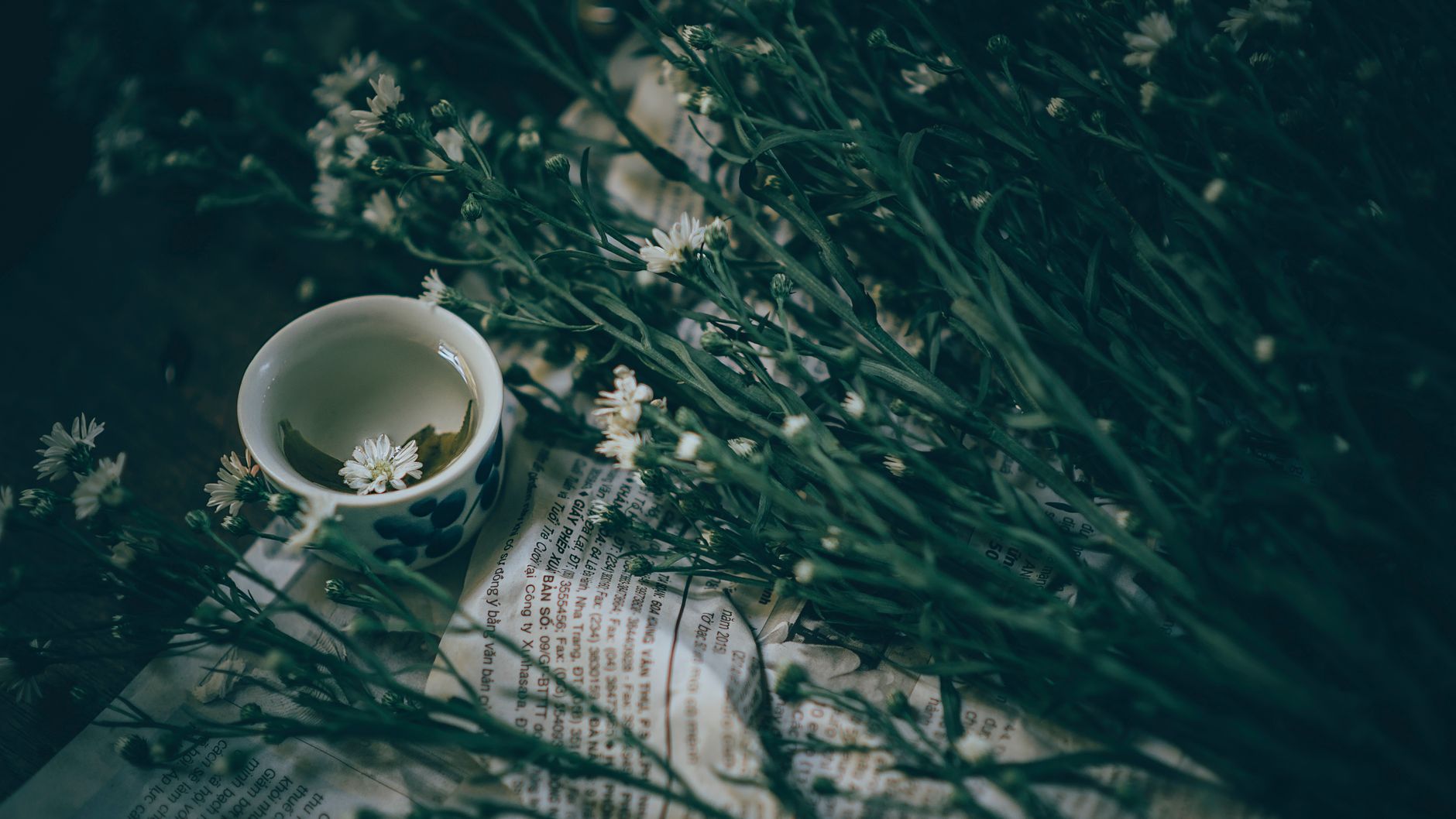
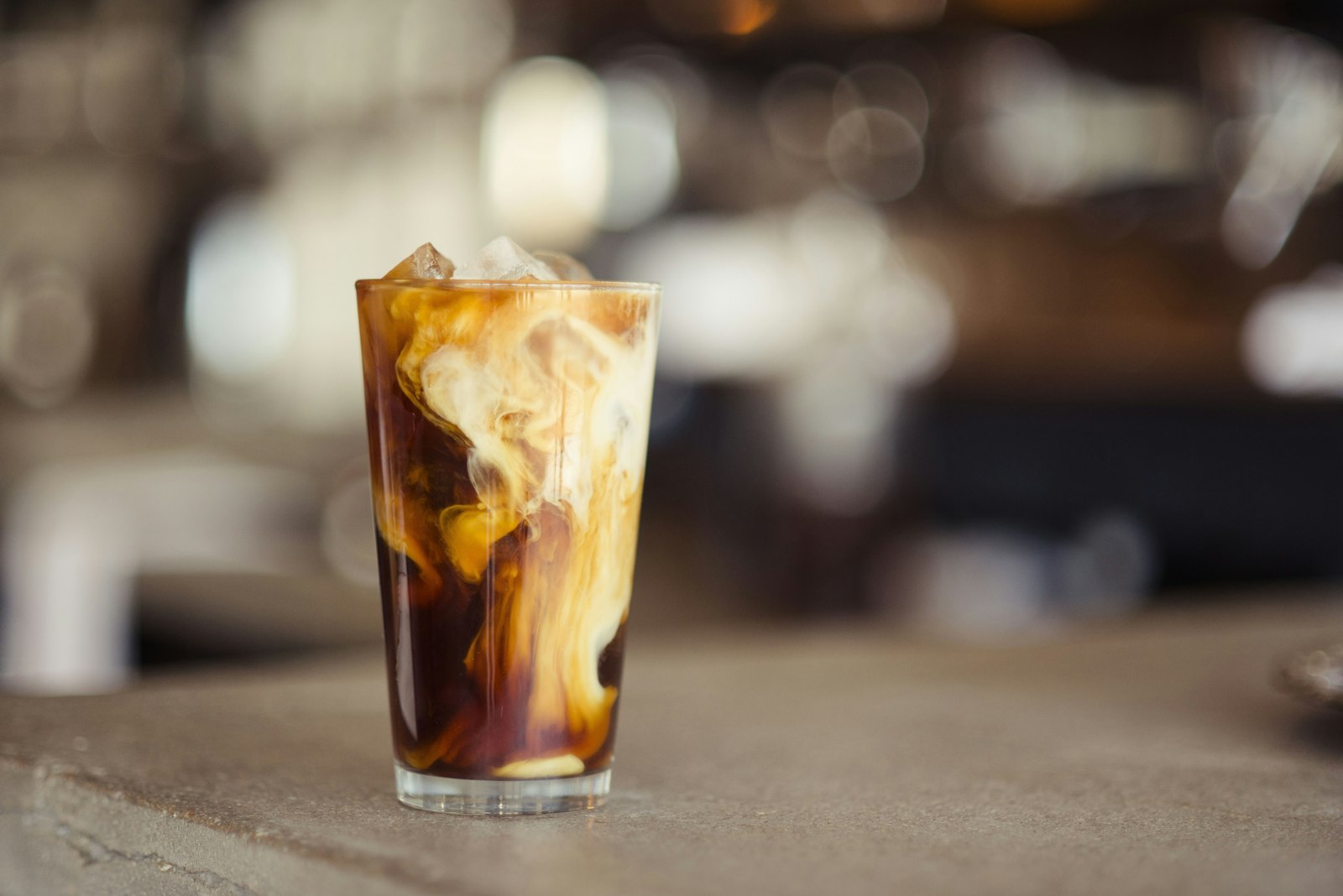
A pour-over coffee being brewed slowly by hand.

Section 06 · Beverages

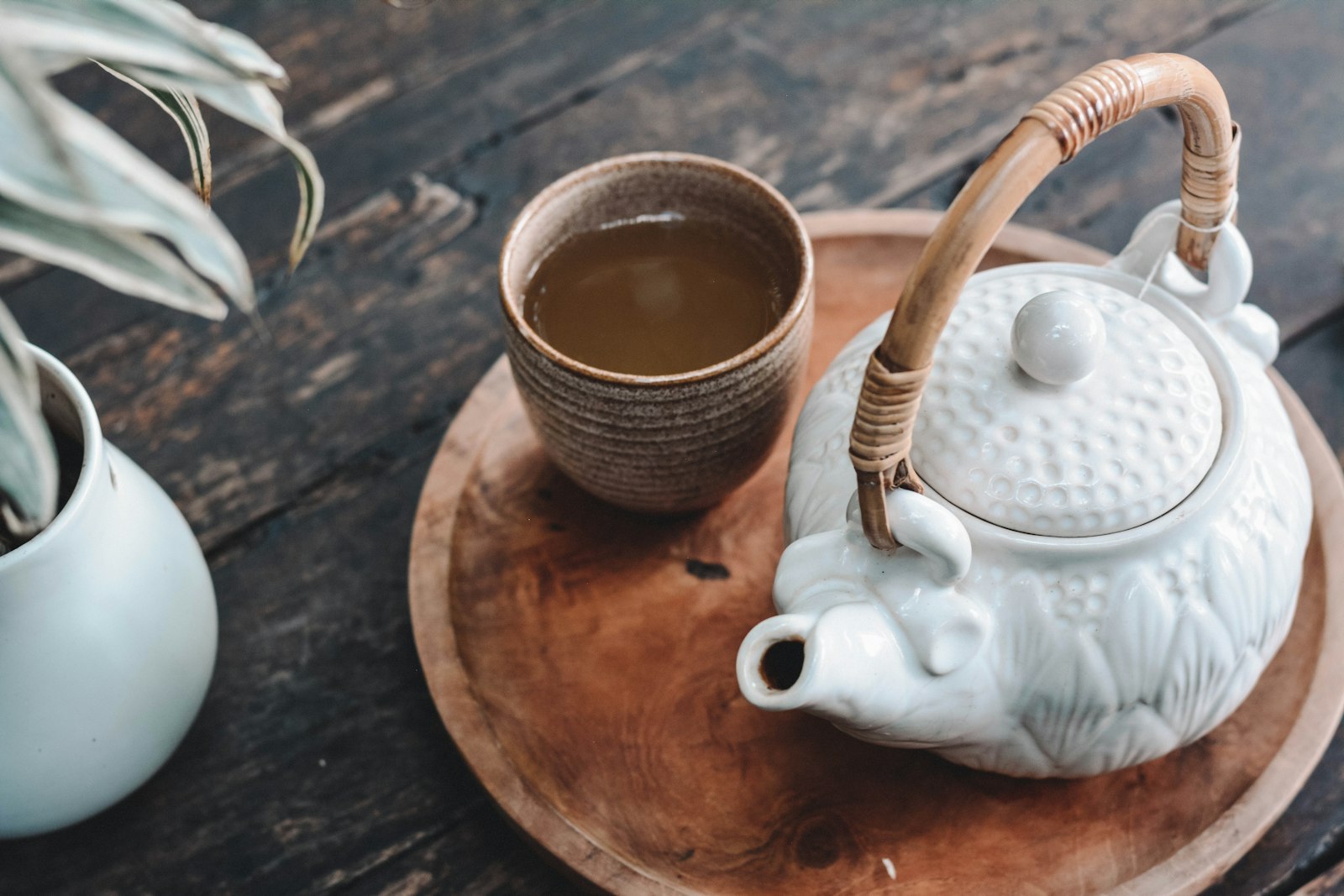
Coffee, tea and the ritual of a well-made drink.

Hemp-infused beverages sit at the intersection of two familiar rituals. The labels reward the same reading habits as any other CBD product — with a small twist for water-soluble formulations.

Section 07 · Edibles

Gummies: friendly format, careful reading.

Gummies are the format that made CBD feel approachable — pre-measured, portable, familiar. That convenience is real, and it's exactly why the label deserves the same attention as any other product.

Read the gummies guide
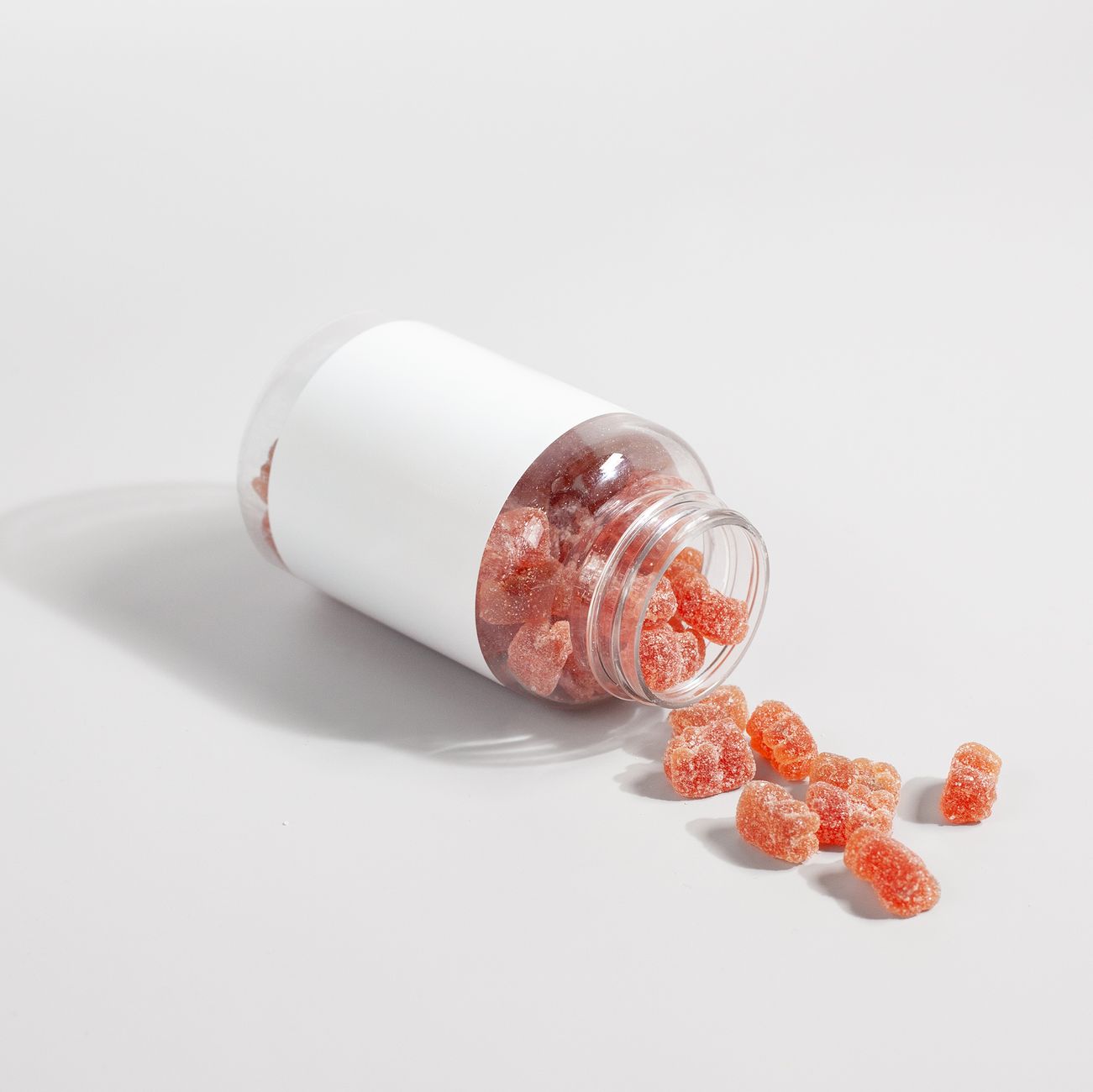
Fruit-shaped gummies arranged neatly on a small ceramic dish.
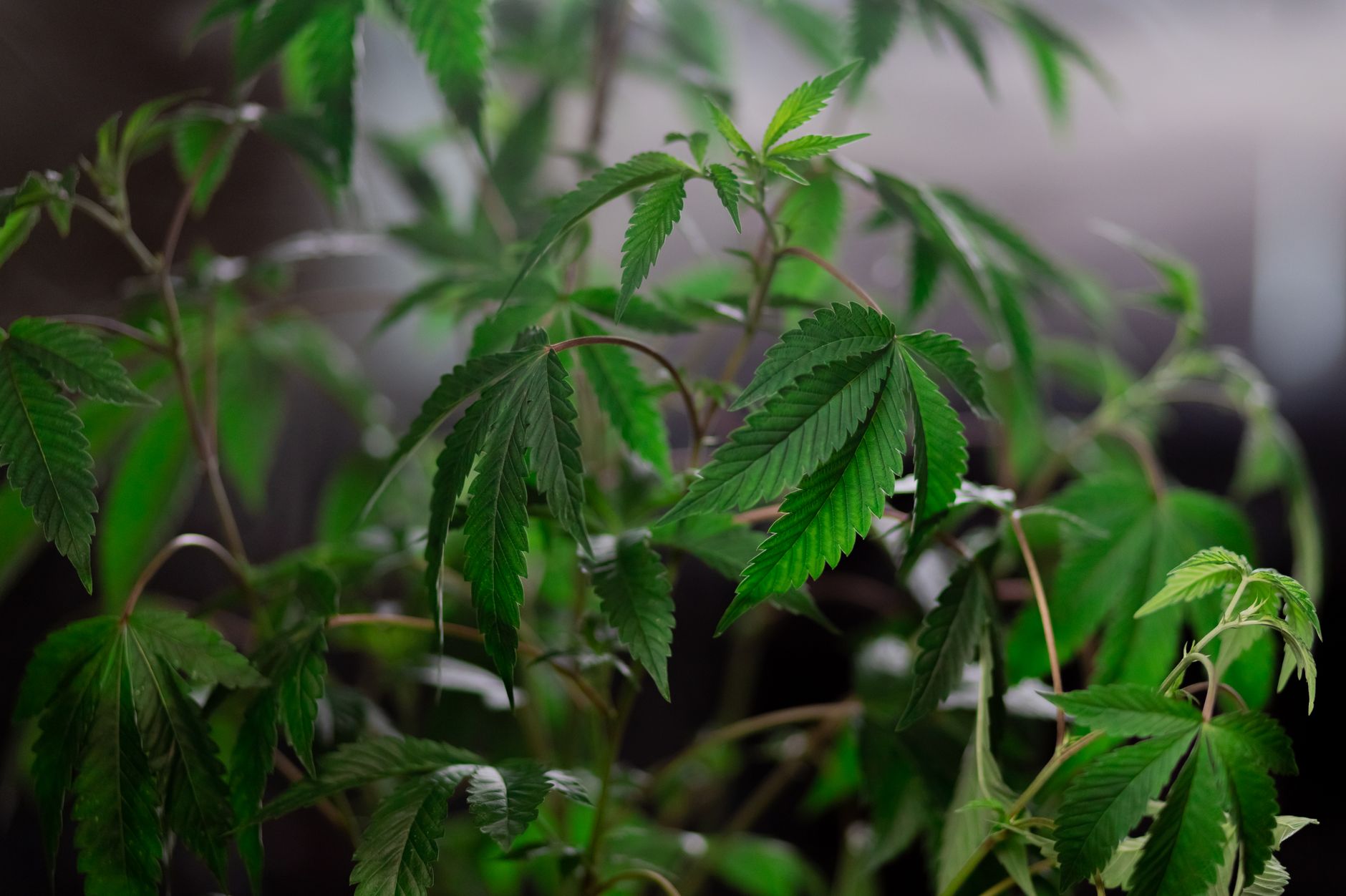
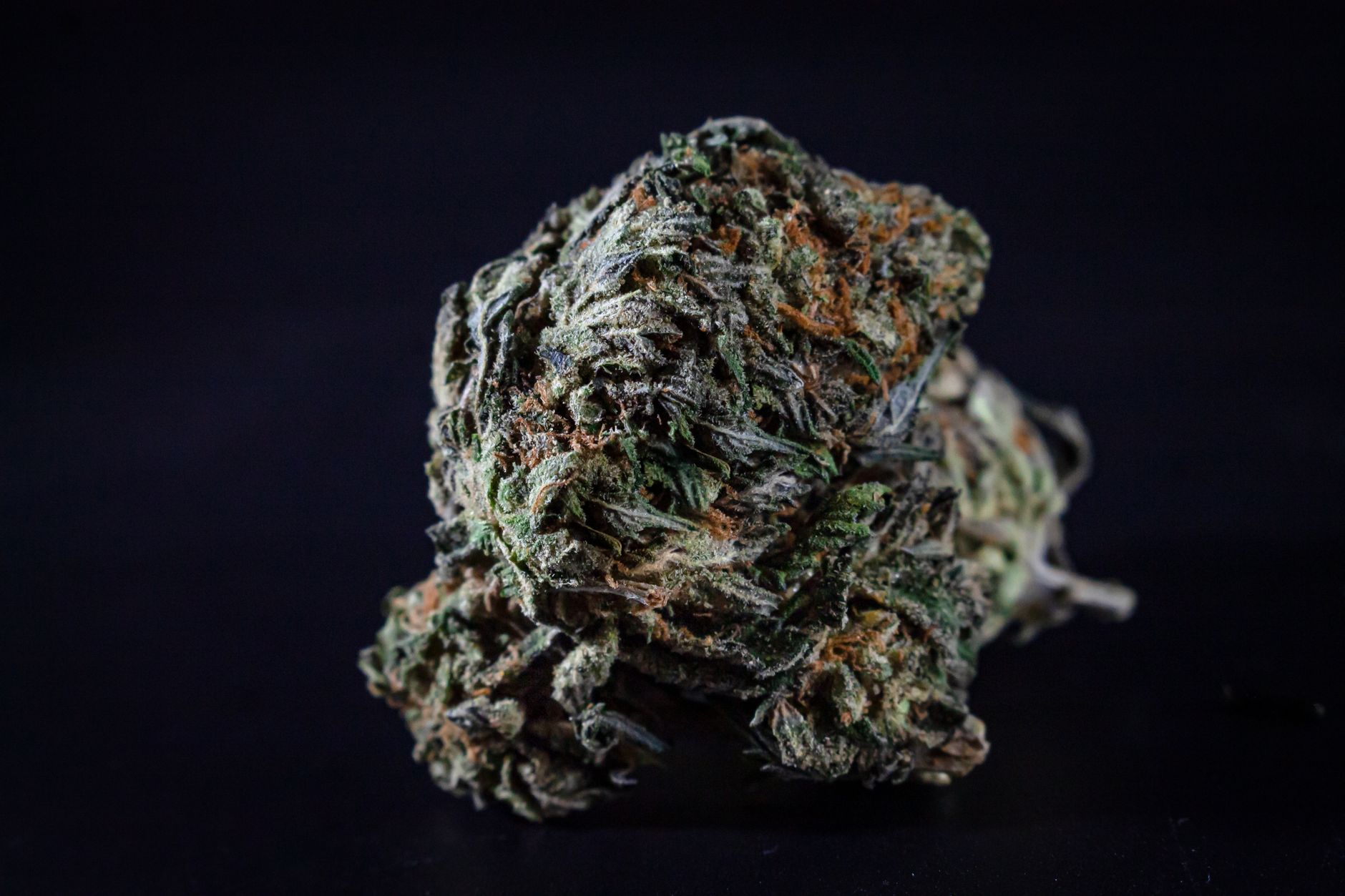
A macro image of hemp flower showing trichomes on its surface.

Section 08 · Hemp flower

The raw plant, in context.

Hemp flower is the raw, dried inflorescence — the botanical structure that produces cannabinoids and terpenes. It's also the format most surrounded by legal variation, so nearly every practical question begins with your local law.

Hemp flower guide

Section 09 · Myths & facts

Six things worth unlearning.

Myth

Hemp and marijuana are always identical.

Fact

Same species, but legally distinguished by delta-9 THC concentration — usually 0.3% by dry weight.

Myth

All CBD products are formulated the same way.

Fact

Formulations vary widely across extract type, carrier, ingredients and testing depth.

Myth

More CBD automatically means a better product.

Fact

Potency is one axis of quality. Transparency, ingredient design and testing all matter.

Myth

Natural means risk-free.

Fact

Origin is not the same as safety. Read the label, respect the warnings.

Myth

Every CBD product is legal everywhere.

Fact

Rules vary by country, state and product format, and change on different timelines.

Myth

All labels are equally transparent.

Fact

Some labels are exemplary; others hide the details behind marketing language.

Section 14 · FAQ

Frequently asked questions.

What is the difference between hemp and CBD?+

Hemp is a plant; CBD is one of many compounds inside it. A CBD product is an extract made from the hemp plant, formulated into oils, gummies, beverages or other formats.

Are all CBD products tested the same way?+

No. Testing depth and transparency vary widely. Look for a batch-specific Certificate of Analysis linked from the packaging.

What does a CBD label need to include?+

At minimum: total CBD in the container, milligrams per serving, extract type, ingredient list, batch number, manufacturer information and a reference to third-party testing.

Is CBD legal?+

Legality varies significantly by country, state and product format. Always verify current local rules before buying, travelling with or consuming any hemp-derived product.

How should CBD products be stored?+

Most formats prefer a cool, dark, dry environment away from direct sunlight. Avoid leaving products in hot cars or humid bathrooms.

Does Hakuna Supply CBD sell products?+

No. This site is an independent educational publication about CBD and hemp — we do not sell, endorse or recommend specific brands.