CBD Basics
CBD vs Hemp: What Is the Difference?
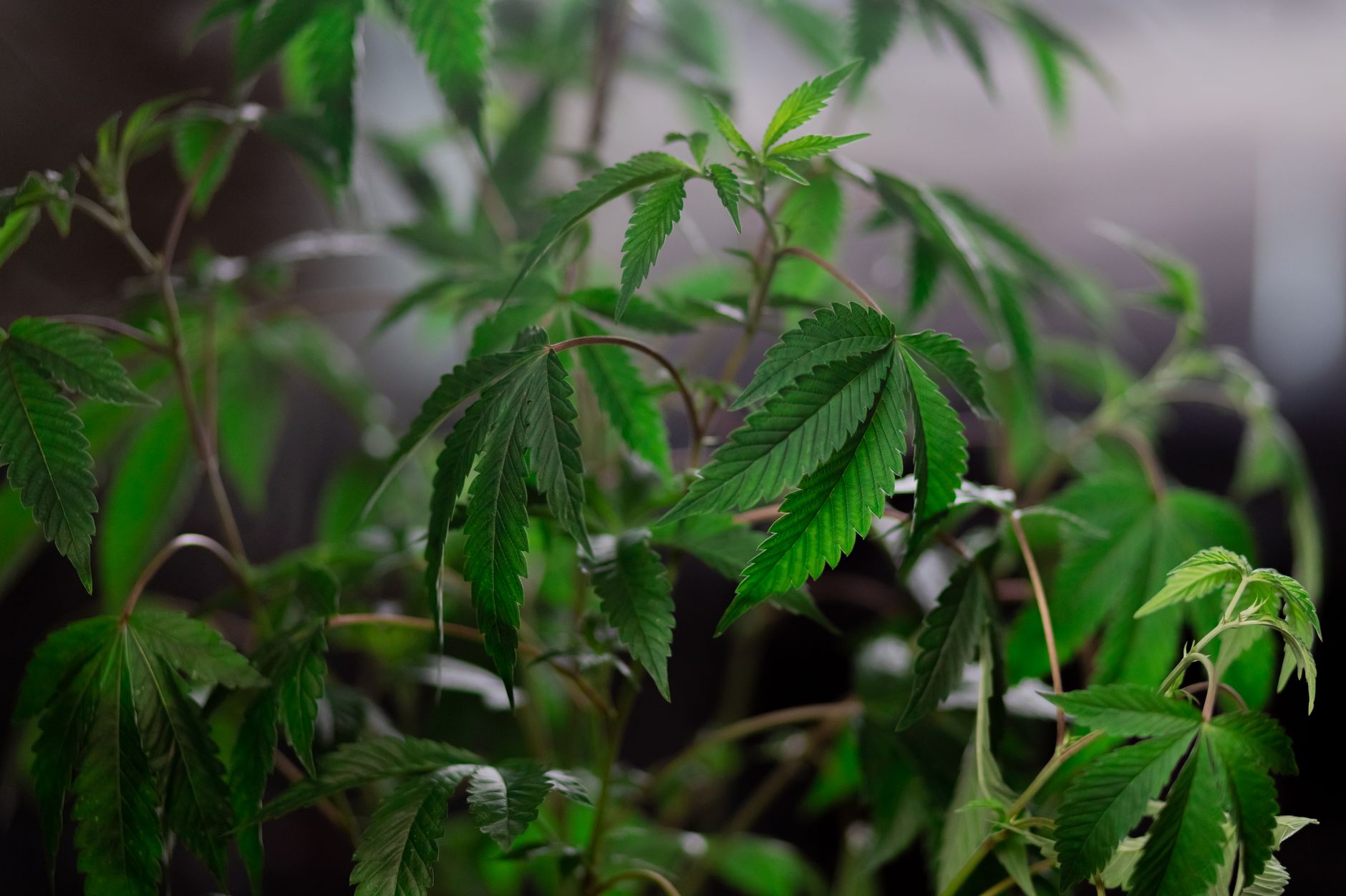
Walk into any wellness aisle in 2026 and you will find the words ‘hemp’ and ‘CBD’ printed on packaging that looks almost identical. Sometimes the two words appear on the same label. Sometimes only one appears. Occasionally the terms are used as if they mean the same thing. They do not.
Understanding the distinction is the single most useful skill a new CBD reader can build. It clarifies labels, sharpens comparison shopping and makes marketing language dramatically easier to evaluate. This guide walks through the difference in plain English, with no assumptions about prior knowledge.
Hemp is a plant. CBD is a molecule.
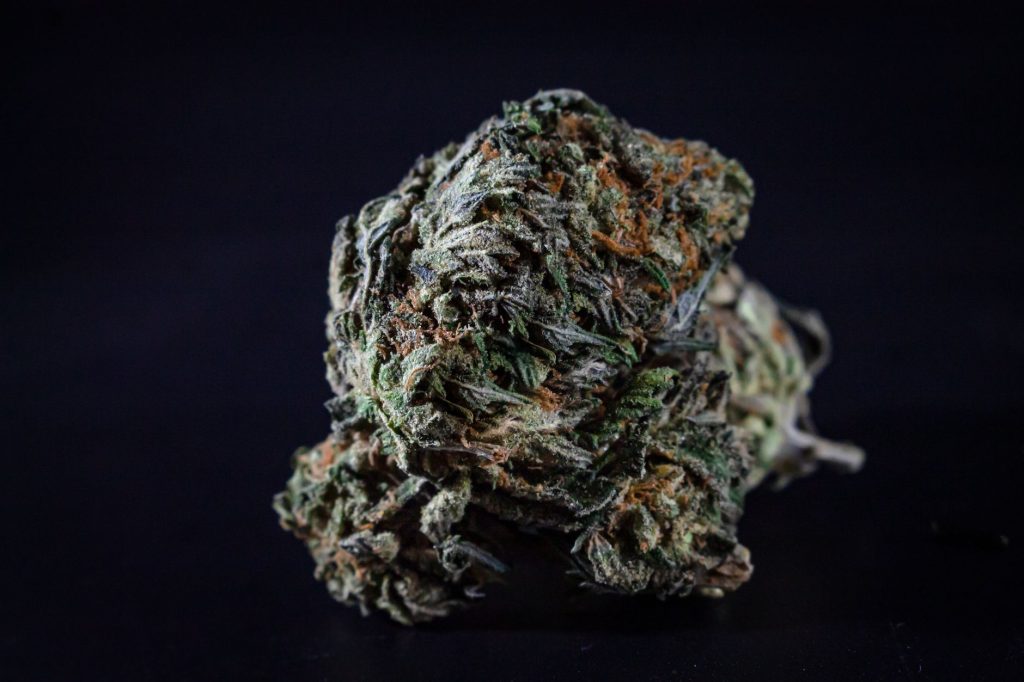
Hemp is a variety of the Cannabis sativa plant that is cultivated for fibre, seed, oil and, more recently, for the cannabinoids it produces. Legally, hemp is generally defined by a low concentration of delta-9 THC — usually 0.3 percent or less by dry weight, depending on jurisdiction. Everything else about the plant, botanically, is essentially the same as any other Cannabis sativa cultivar.
CBD, short for cannabidiol, is one of more than a hundred compounds called cannabinoids that the hemp plant produces. Alongside CBD you will find CBG, CBN, CBC, and — in much smaller amounts — the more famous THC. A hemp plant contains CBD. A CBD product contains an extract made from a hemp plant.
Why the labels blur the two
Hemp and CBD are not the same, but they occupy overlapping shelves. That is because ‘hemp’ is often used on packaging to signal a natural origin, while ‘CBD’ is often used to signal a specific cannabinoid content. Depending on which word a brand emphasises, a shopper may end up with very different products.
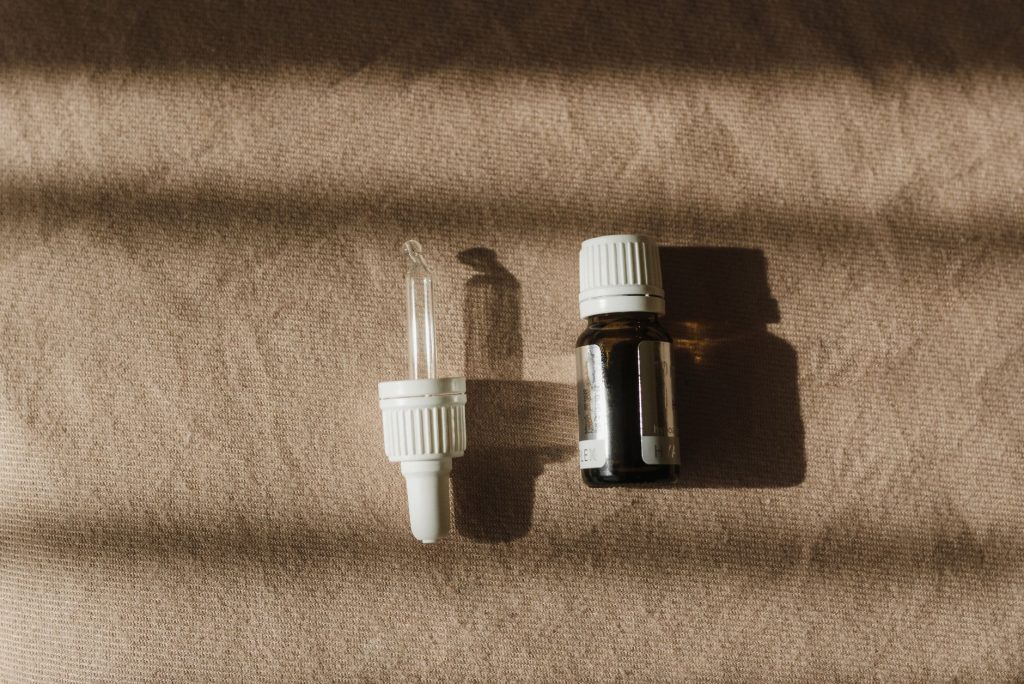
A bag marked ‘hemp seed oil’, for example, is pressed from the seeds of the hemp plant. Seeds contain essentially no CBD. That product is a culinary oil, closer in character to flaxseed oil than to a cannabinoid extract. A bottle marked ‘CBD oil’, by contrast, is usually a carrier oil infused with an extract taken from the flowers and leaves of the hemp plant, where cannabinoids are actually concentrated.
Quick test
If the front of a bottle only says ‘hemp oil’ with no milligram figure for CBD anywhere on the label, it is almost certainly a seed oil rather than a cannabinoid product.
Full-spectrum, broad-spectrum and isolate
Because CBD is only one of many cannabinoids inside the plant, extracts can be prepared in several ways. Full-spectrum extracts keep the full profile of cannabinoids and terpenes, including trace amounts of THC. Broad-spectrum extracts remove most or all detectable THC while keeping other compounds. Isolates strip everything except CBD, arriving as a nearly pure crystalline powder. For a full breakdown of what each means on a label, see our guide to CBD extract types.
| Extract type | Contains CBD | Contains other cannabinoids | Contains trace THC |
|---|---|---|---|
| Full-spectrum | Yes | Yes | Trace amounts, within legal limits |
| Broad-spectrum | Yes | Yes | Removed to non-detectable |
| Isolate | Yes | No | No |
None of these categories is inherently ‘better’. They are simply different formulations, and each has practical trade-offs around taste, versatility and how much the label can tell you.
What the numbers on a label mean
Most reputable CBD products list the total milligrams of CBD in the container and the milligrams per serving. A bottle labelled ‘900 mg CBD’ with a suggested serving of 1 ml over a 30-ml container is telling you that each serving contains roughly 30 mg of CBD. A product that only says ‘hemp’ with no milligram figure is not making a cannabinoid claim at all.
For a step-by-step walkthrough of extract categories, see our guide to full-spectrum, broad-spectrum and isolate.
A well-formatted label will also identify the extract type, the carrier oil, a batch number and either a printed reference to a Certificate of Analysis or a scannable code that links to one.
Legality is not a single global answer
Hemp and CBD sit in a shifting legal landscape. In many jurisdictions hemp cultivation and hemp-derived CBD are permitted with restrictions on THC concentration, product format and marketing. In other places rules are stricter, and some categories — like inhalable hemp flower — are treated differently from oral products. Rather than memorise a global rulebook, treat legality as a local question and check current regulations that apply where you live.
Common misconceptions
- Hemp and marijuana are ‘the same plant’ in a legal sense — they are the same species, but legally distinguished by THC concentration.
- ‘Hemp oil’ always means CBD — it usually does not; it often refers to hemp seed oil.
- All CBD products are equally transparent — labels vary widely in how much they disclose.
- A higher milligram figure automatically means a better product — potency is only one axis of quality.
Where to go from here
If this is your entry point into the topic, the most useful next reads are our CBD basics pillar and our guide to product formats. Together they cover the vocabulary you will encounter on almost every label in the category.
Frequently asked questions
Is hemp the same thing as marijuana?+
Botanically they belong to the same species, but hemp is legally distinguished by its low concentration of delta-9 THC, generally 0.3 percent or less by dry weight.
Does hemp seed oil contain CBD?+
Hemp seed oil is pressed from the seeds, which contain essentially no CBD. If a label lists no milligrams of CBD, it is almost certainly a culinary seed oil.
Is CBD legal everywhere?+
No. Rules differ by country, state and product format. Always check current local regulations before buying, travelling with or consuming any hemp-derived product.
Which extract type should I look for on a label?+
That depends on personal preference. Full-spectrum keeps the widest profile of compounds, broad-spectrum removes detectable THC, and isolate contains only CBD. None is universally better.
Educational content only. Not medical or legal advice. See our CBD disclaimer.