Hemp
Hemp Flower Explained for Beginners
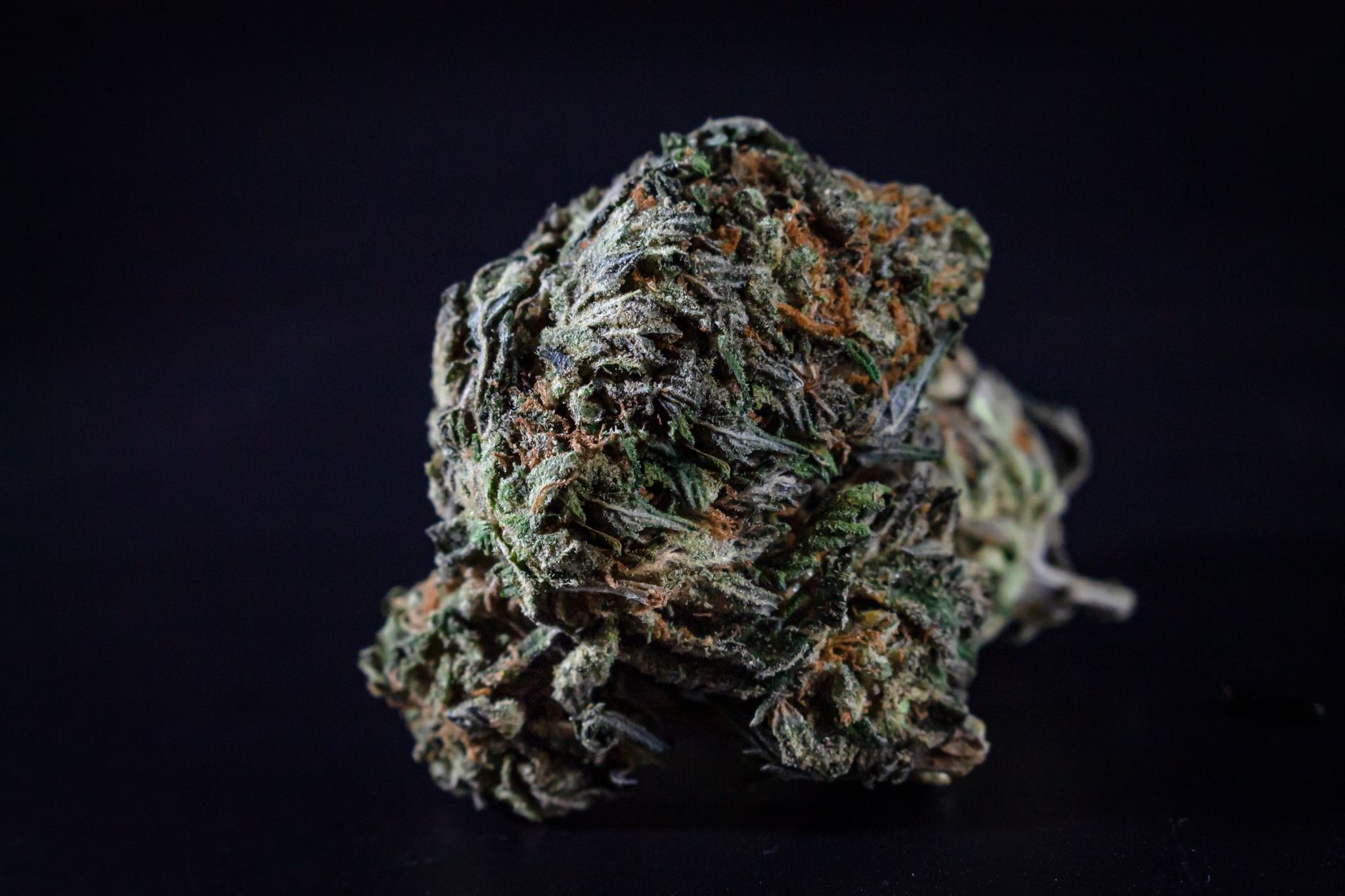
Hemp flower is the raw, dried inflorescence of the hemp plant — the same botanical structure that produces the cannabinoids and terpenes found in extracts, but presented in its unprocessed form. It is at once the most familiar part of the plant and the format most surrounded by legal variation.
This guide is a beginner-friendly overview of what hemp flower is, how the label talks about it and why the answer to almost every practical question begins with ‘check your local law’.
What hemp flower actually is
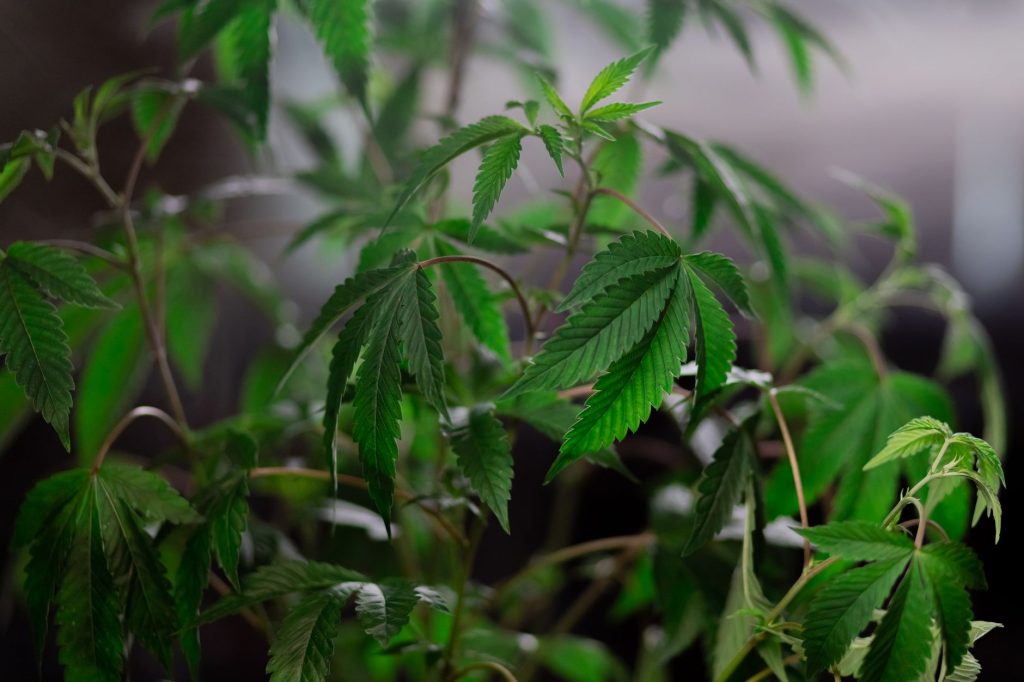
A hemp inflorescence is a cluster of small flowers that emerge along the stalk of a mature female hemp plant. Each flower is covered in trichomes — tiny resinous structures that produce cannabinoids like CBD and CBG along with aromatic terpenes. When the plant is harvested, trimmed and dried, what remains is what most labels refer to as hemp flower.

The role of trichomes
Trichomes are the reason hemp flower carries any cannabinoid content at all. Under magnification they look like small crystalline stalks, each ending in a globe of resin. The density and clarity of trichomes are often used as informal quality indicators, though they are not a substitute for a laboratory result.
Cannabinoid and terpene labelling
A well-labelled hemp flower product lists total cannabinoids as a percentage of dry weight — typically CBD and CBDA together, plus a THC figure that must fall within the legal limit for the jurisdiction. Many labels also disclose the dominant terpenes, which contribute to aroma and character but are not intoxicants.
| Common terpene | Aroma | Also found in |
|---|---|---|
| Myrcene | Earthy, musky | Mangoes, hops |
| Limonene | Bright citrus | Citrus peels |
| Pinene | Fresh pine | Pine needles, rosemary |
| Linalool | Floral, soft | Lavender |
| Caryophyllene | Peppery, spicy | Black pepper, cloves |
Legal variation is central
The legal status of hemp flower differs sharply from one jurisdiction to another. Some regions permit hemp flower with clear packaging and labelling requirements. Others restrict it to specific product formats or forbid its retail sale entirely. Federal, state, provincial and municipal rules may all apply and may change on different timelines. Treat legality as the first question, not the last.
This is not legal advice
This section is a general educational overview. It cannot substitute for current legal guidance where you live. Regulations change; always verify current rules before purchase, transport or possession.
Storage and freshness
Hemp flower is a botanical product. It is happiest in a cool, dark, humidity-controlled environment. Airtight glass containers stored away from direct light preserve terpene character; heat and light degrade both cannabinoids and aroma over time.
A note on responsible language
This guide does not describe or encourage any particular consumption practice. Hemp flower shows up in a range of legitimate contexts — botanical craftsmanship, culinary curiosity, extract production — and any personal use should be evaluated within the applicable laws and personal circumstances of the reader.
What a well-formatted product tells you
- Cultivar or strain name.
- Total cannabinoids as a percentage of dry weight.
- THC content clearly stated and within legal limits.
- Dominant terpenes disclosed.
- Cultivation method (indoor, greenhouse, outdoor) when relevant.
- Batch number and Certificate of Analysis reference.
- Storage instructions.
Reading across the category
Hemp flower sits at the raw end of the CBD category, with extracts, edibles and beverages progressively further downstream. Reading about flower alongside those formats — covered in our CBD product types guide — builds an appreciation for how much processing sits between a plant in a field and a product on a shelf.
Frequently asked questions
Is hemp flower the same as marijuana flower?+
Both come from the same species of plant, but hemp flower is legally distinguished by a low THC concentration, generally 0.3 percent or less by dry weight.
Do terpenes get you intoxicated?+
No. Terpenes are aromatic compounds that contribute to smell and character, not intoxication.
Is hemp flower legal to buy?+
That depends entirely on your jurisdiction. Rules vary by country, state and locality, and can change over time.
How should hemp flower be stored?+
In an airtight glass container in a cool, dark, humidity-controlled environment away from direct light.
Educational content only. Not medical or legal advice. See our CBD disclaimer.