Product Types
CBD Gummies Explained: Ingredients, Labels and Storage
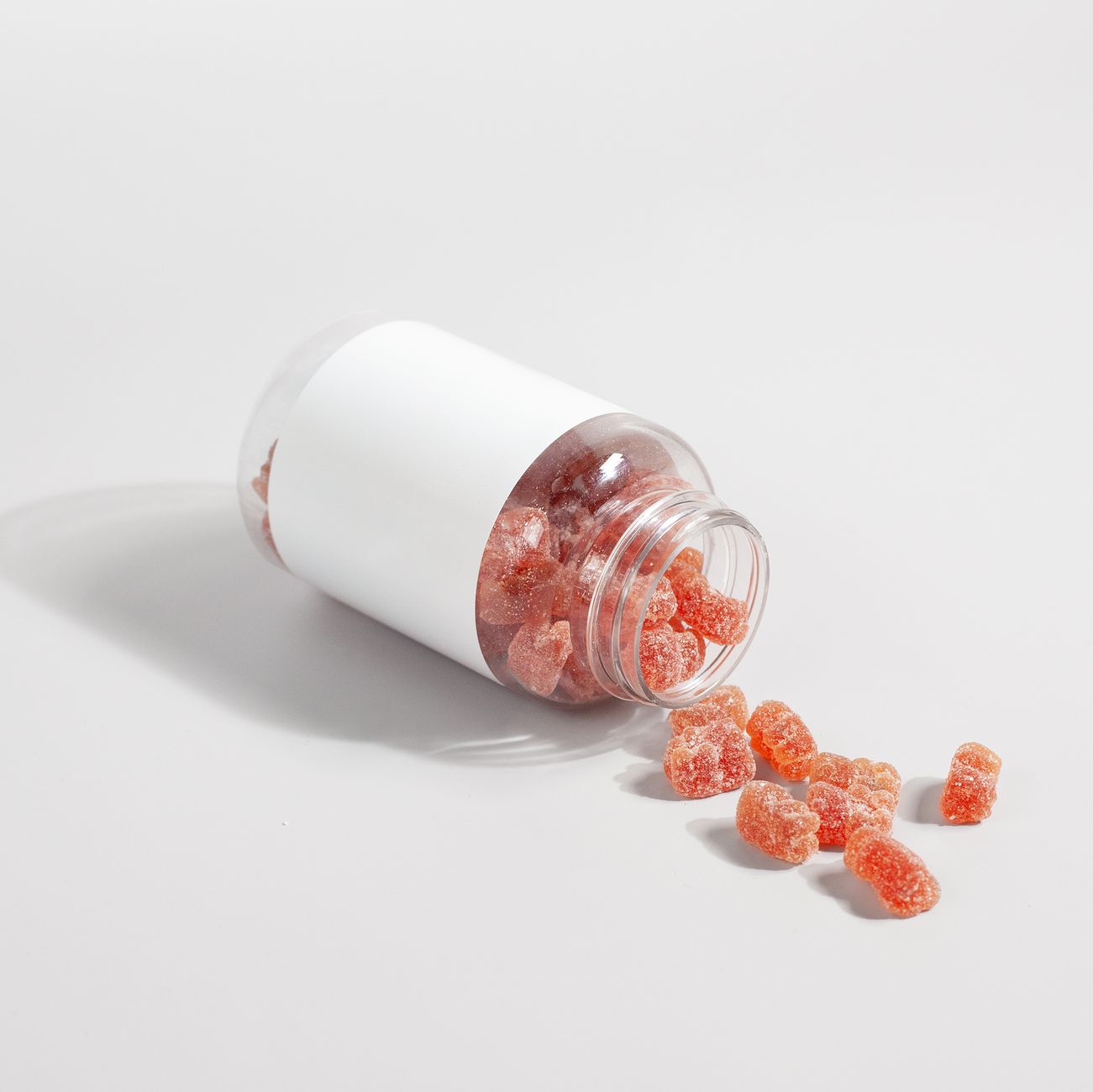
Gummies are the format that made CBD feel approachable. They look like candy, they arrive in familiar flavours and each piece contains a pre-measured amount of extract. That convenience is genuine, and it is exactly why the label deserves as much attention as any other CBD product on the shelf.
Why the pre-measured format matters
Unlike an oil that arrives as a bottle and a dropper, a gummy is a discrete unit. You do not need to count drops or interpret a measurement line. Each piece is manufactured to contain a set amount of CBD — commonly 10, 25 or 50 milligrams. That structure makes gummies easy to compare against each other and easy for a reader to track what they consumed.
The ingredient list is longer for a reason
A tincture ingredient list is usually short. A gummy list is longer because a gummy is, structurally, a soft confection. You will typically see a sweetener, a gelling agent, an acid, a natural or artificial flavouring, a colouring and a hemp extract.

Common ingredient categories
- Sweeteners: cane sugar, tapioca syrup, brown rice syrup, allulose or non-nutritive alternatives.
- Gelling agents: gelatin (animal-derived) or pectin (plant-derived).
- Acids: citric acid, malic acid or tartaric acid, contributing sourness.
- Flavourings and colourings: natural or artificial, sometimes derived from fruit or vegetable concentrates.
- Hemp extract: full-spectrum, broad-spectrum or isolate.
Sugar content is worth checking
A single gummy is small, but the sugar figures add up quickly across multiple servings. The nutrition panel on responsible packaging lists the sugar per gummy in grams. That figure alone is not a judgement of the product; it is simply useful information for anyone paying attention to sugar intake.
Storage: heat, light and humidity
Gummies are especially sensitive to heat and humidity. In warm conditions they can soften, deform and stick to each other. In cold, dry conditions they can become firm. Store them in a cool, dry place away from direct sunlight and, in warmer climates, consider a sealed container inside a cupboard. Do not store them in a car.
Keep out of reach of children and pets
Because gummies look and taste like candy, they are the CBD format most likely to be mistaken for a treat. Store the container closed and out of reach.
Reading the label like a shopper, not a fan
- CBD per gummy and CBD per container, both clearly stated.
- Extract type: full-spectrum, broad-spectrum or isolate.
- Full ingredient list with sweeteners, gelling agent and flavourings identified.
- Nutrition panel with sugar per serving.
- Batch number and manufacturer information.
- Reference to a Certificate of Analysis, ideally scannable.
- Realistic warnings, including ‘keep out of reach of children’.
Format comparisons
Compared to a tincture, gummies trade dosing flexibility for convenience — you get pre-measured servings but cannot easily adjust in small increments. Compared to a beverage, they trade the ritual of a drink for something more portable. Compared to an isolate powder, they trade neutrality for flavour and texture. None of these trade-offs is inherently better; they are simply the choices baked into the format.
Where gummies fit in the broader category
Gummies are one of several oral formats explored in our product-types pillar, alongside oils, beverages, drink drops and hemp flower. Reading across formats is often more useful than reading deeply into just one, because it builds a comparative sense of what a label is capable of communicating.
A note on responsible language
Because gummies are visually cheerful, they sometimes attract marketing that leans on outcome claims: better sleep, calmer days, sharper focus. Treat outcome claims the same way on a gummy label as you would on any other product — with a careful reading of the ingredient list, the potency figures and the underlying test result.
Frequently asked questions
How many milligrams of CBD does a gummy usually contain?+
Common per-gummy figures are 10, 25 or 50 milligrams, but the actual amount depends entirely on the specific product. Always check the label.
Are pectin gummies better than gelatin gummies?+
Neither is universally better. Pectin is plant-derived and suits vegetarian and vegan preferences; gelatin gives a different chew and is animal-derived.
How should gummies be stored?+
In a cool, dry place away from direct sunlight. Avoid leaving them in a hot car or a humid bathroom.
Are CBD gummies the same as CBD candy?+
Structurally similar, but the important distinction is the labelled cannabinoid content. Any product marketed as a CBD gummy should print milligrams per serving on the packaging.
Educational content only. Not medical or legal advice. See our CBD disclaimer.