Consumer Awareness
How to Read a CBD Product Label
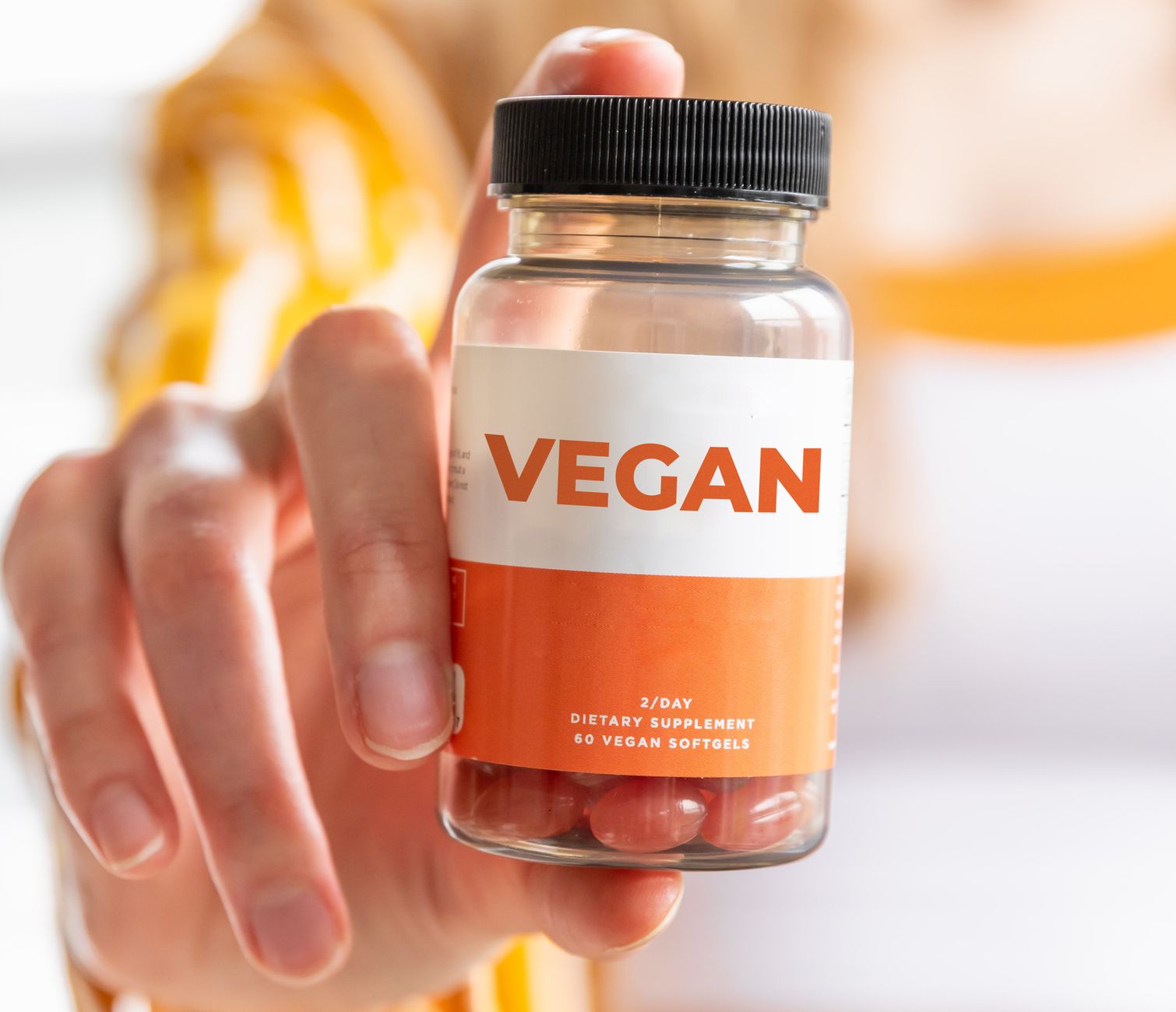
A CBD label is a small piece of packaging asked to do a lot of work. It has to identify the product, describe what is inside, disclose ingredients, communicate serving information and, ideally, point to a third-party test result. When labels do this well they make comparison shopping easy. When they do it poorly, they leave shoppers to guess.
This walkthrough covers the anatomy of a well-designed CBD label and the specific fields worth checking every single time.
Total CBD versus per-serving CBD
The most prominent number on the front of the container is usually the total milligrams of CBD in the whole product — for example, 750 mg or 1,500 mg. That figure alone is not enough. Look on the side or back of the label for the milligrams per serving and the number of servings per container. Dividing the total by the number of servings should match the per-serving figure. When it does not, the label is either poorly designed or worth a second look.

Extract type and carrier
A transparent label states whether the extract is full-spectrum, broad-spectrum or isolate. It also names the carrier oil — typically MCT coconut oil, hempseed oil or olive oil. Naming the carrier matters both for taste and for anyone with allergies or dietary preferences.
Ingredient list
Ingredients are listed in descending order by weight. For a straightforward tincture the list is short: a carrier oil, a hemp extract and sometimes a natural flavouring. For gummies or beverages the list will be longer, including sweeteners, colourings and preservatives. A very short ingredient list is not automatically better, but a long list with vague terms like ‘proprietary blend’ is worth reading twice.
Batch number
A batch number is a short code — sometimes printed, sometimes stamped — that ties the specific container in your hand to the specific production run it came from. That code is what allows you to match a bottle to its Certificate of Analysis. A product without a batch number is difficult to verify.
Manufacturer information
The label should identify the entity responsible for producing or distributing the product. That usually means a company name and a physical address or, at minimum, a country of origin. Fully anonymous packaging is a signal to slow down.
Third-party testing references
A responsible label points to a Certificate of Analysis, either through a printed URL, a batch-specific web page or a QR code. Scanning the code should take you to a document that matches the batch number on the bottle. If the code links to a general marketing page rather than a specific test result, treat the reference as incomplete.
For a deeper look at what a COA actually contains, see our Certificate of Analysis guide.
Warnings and responsible-use language
Well-designed labels include realistic warnings: keep out of reach of children and pets, store away from heat and light, and consult a healthcare professional if pregnant, nursing or taking medication. Warnings are not a red flag; the absence of any warning at all is.
Claims to approach carefully
- Any language suggesting the product cures, treats or prevents a specific disease.
- Guarantees about sleep, pain, anxiety or other outcomes.
- Very high potency figures with no corresponding test data.
- Language that mirrors prescription drug marketing.
- Endorsements attributed to doctors, athletes or celebrities without verifiable context.
Rule of thumb
A trustworthy label describes what is in the container. A label that primarily describes how you will feel afterwards is doing something different.
A short label checklist
- Total CBD in the container is clearly listed.
- Milligrams per serving and number of servings are stated.
- Extract type and carrier oil are named.
- Ingredients are listed in full.
- A batch number is printed on the packaging.
- A manufacturer or distributor is identified.
- A third-party test result is accessible via URL or QR code.
- Realistic storage and safety warnings are present.
Building the habit
Reading labels well takes ten seconds once the habit is formed. Do the exercise a handful of times and the pattern becomes automatic: potency, servings, extract type, ingredients, batch, manufacturer, test result, warnings. Any product that clears those eight items has earned a careful reading of the rest of its marketing.
Frequently asked questions
What is the most important number on a CBD label?+
Milligrams per serving. Total container milligrams are useful for comparison, but per-serving figures tell you what you are actually consuming.
Is a QR code enough to trust a product?+
Only if scanning it takes you to a batch-specific test result rather than a general marketing page.
Should I avoid products with long ingredient lists?+
Not automatically. A longer list is expected in gummies and beverages. Vague terms like 'proprietary blend' are the real warning sign.
What if a label has no batch number?+
Without a batch number the product cannot be reliably matched to a Certificate of Analysis. Treat that as a significant transparency gap.
Educational content only. Not medical or legal advice. See our CBD disclaimer.