Testing
What Is a Certificate of Analysis for CBD?
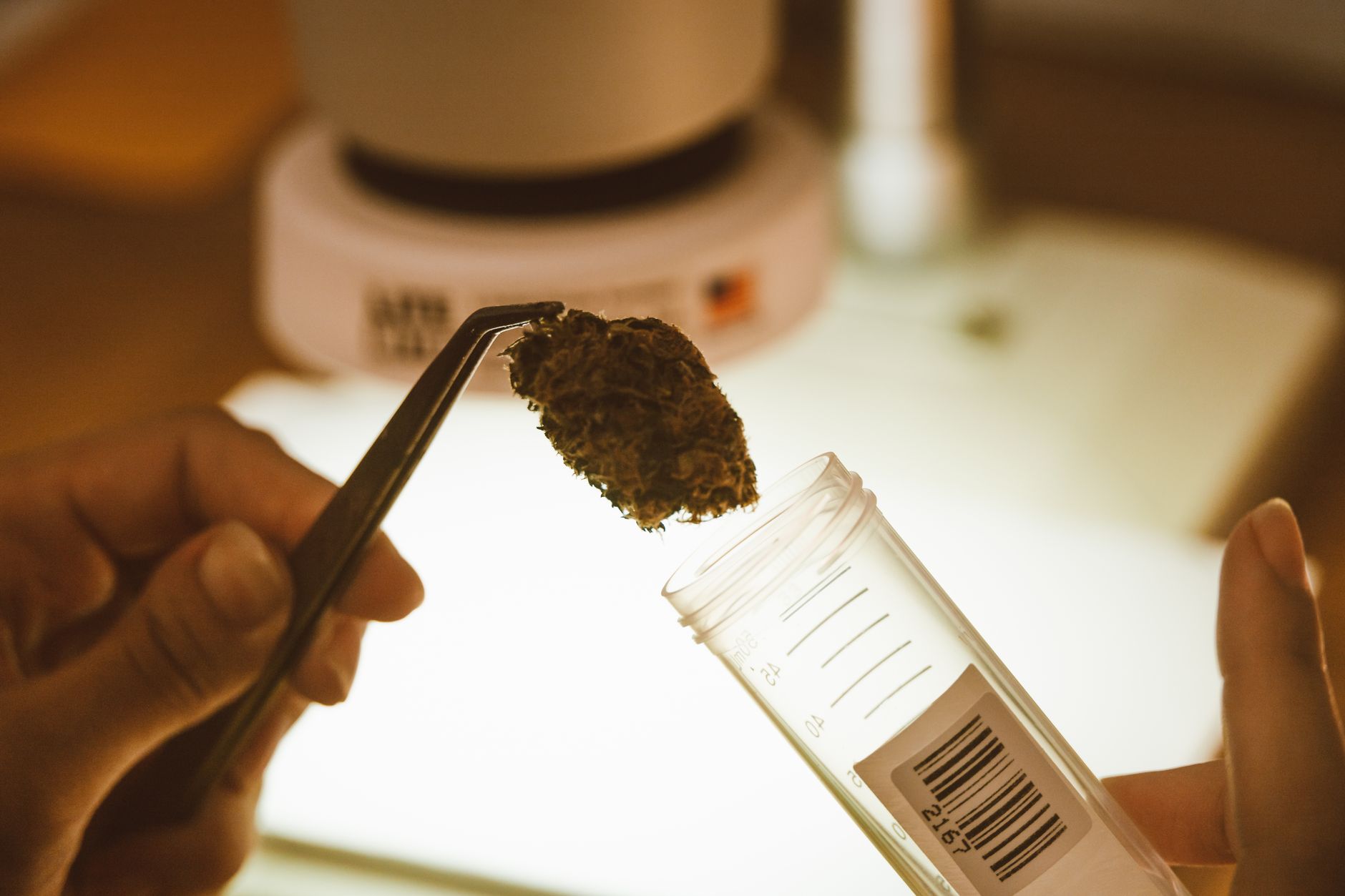
A Certificate of Analysis, usually shortened to COA, is a document produced by a third-party laboratory that tested a specific batch of a CBD product. It is the paper trail behind everything printed on the label. When the industry talks about ‘transparency’ it usually means how easily you can find, read and match a COA to the container in your hand.
Learning to read a COA turns a marketing claim into a verifiable statement. The document looks technical the first time you open one; after two or three, most people can scan it in under a minute.
What a COA actually is
A COA is a formatted report produced by an independent testing laboratory — meaning a laboratory that does not belong to the brand selling the product. The report identifies the sample, the laboratory, the analytical methods and the results. It is not a marketing document.

The header block
The top of a COA identifies the laboratory, the client that submitted the sample, the sample name, the batch number and the dates of receipt and reporting. Match the batch number on the COA to the batch number on the container. If the numbers do not match, the document belongs to a different production run and does not certify the product you are holding.
Cannabinoid profile
The cannabinoid profile is usually a table listing each cannabinoid the lab tested for — CBD, CBDA, THC, THCA, CBG, CBN and others — with a measured concentration expressed as a percentage of the sample and as milligrams per gram or per serving. This is where you verify that the potency printed on the label matches the potency the lab actually measured.
| Cannabinoid | Common abbreviation | What the number represents |
|---|---|---|
| Cannabidiol | CBD | Primary cannabinoid in most hemp extracts |
| Cannabidiolic acid | CBDA | Raw, unheated form of CBD |
| Delta-9 tetrahydrocannabinol | THC | Regulated cannabinoid, must fall within legal limits |
| Cannabigerol | CBG | Minor cannabinoid often present in small amounts |
Contaminant screening
A comprehensive COA screens for a number of contaminants that can end up in agricultural products. Typical panels include pesticides, heavy metals, residual solvents used during extraction, microbial contamination and mycotoxins. Each result is compared against an action limit and reported as either ‘pass’ or with a measured value. Not every product is tested against every panel, but the more complete the screening, the more the document is saying.
Analytical methods
Somewhere on the report — often near each panel — the lab notes the analytical method used, such as HPLC for cannabinoids or ICP-MS for heavy metals. These references let a curious reader look up how the measurement was performed. You do not need to memorise them; their presence simply signals that the report is a real analytical document rather than a graphic mock-up.
Dates and signatures
Look for the date the sample was received and the date the report was issued. A very old COA on a product with a short shelf life is worth a question. Many COAs are also digitally signed or countersigned by a lab director; this is a nice-to-have rather than a strict requirement.
An educational mock-up
The interactive COA module on our CBD Basics pillar is a stylised example to help you learn the layout. It is not a real laboratory report and should not be confused with one.
What a COA does not tell you
A COA describes the sample that was tested. It does not, on its own, guarantee that every unit of a production run is identical, that storage conditions were maintained after testing or that a product will feel a particular way. It is a strong evidence point rather than a total certification.
A quick reading order
- Confirm the laboratory name and independence.
- Match the batch number on the COA to the batch number on the container.
- Check the cannabinoid table against the label’s potency claim.
- Scan the contaminant panels for passes across pesticides, heavy metals and microbials.
- Note the analytical methods used.
- Check the date of the report against the age of the product.
Putting it into practice
The single most useful exercise is to pull the COA for the next CBD product you consider buying and read through it top to bottom before making a decision. After a handful of documents the shorthand becomes familiar, and the ability to read a COA turns from a technical skill into a basic consumer habit.
To see what a COA confirms against the label, read our guide to how to read a CBD product label alongside this one.
Frequently asked questions
Where do I find a Certificate of Analysis?+
Reputable brands print a URL or QR code on the packaging that links to a batch-specific document. Some also publish COAs directly on the product page of their website.
How recent should a COA be?+
Ideally the COA corresponds to the batch on the container and was issued within the product's normal shelf-life window. Very old reports on freshly sold stock are worth questioning.
What does 'pass' mean on a contaminant panel?+
It means the measured concentration is at or below the action limit for that contaminant. Some reports also print the numeric value alongside the pass indicator.
Is a COA the same as government certification?+
No. It is an independent analytical report. It documents laboratory findings for the sample tested and is not a substitute for regulatory approval.
Educational content only. Not medical or legal advice. See our CBD disclaimer.