Beverages
CBD Drink Drops: What They Are and How Labels Work
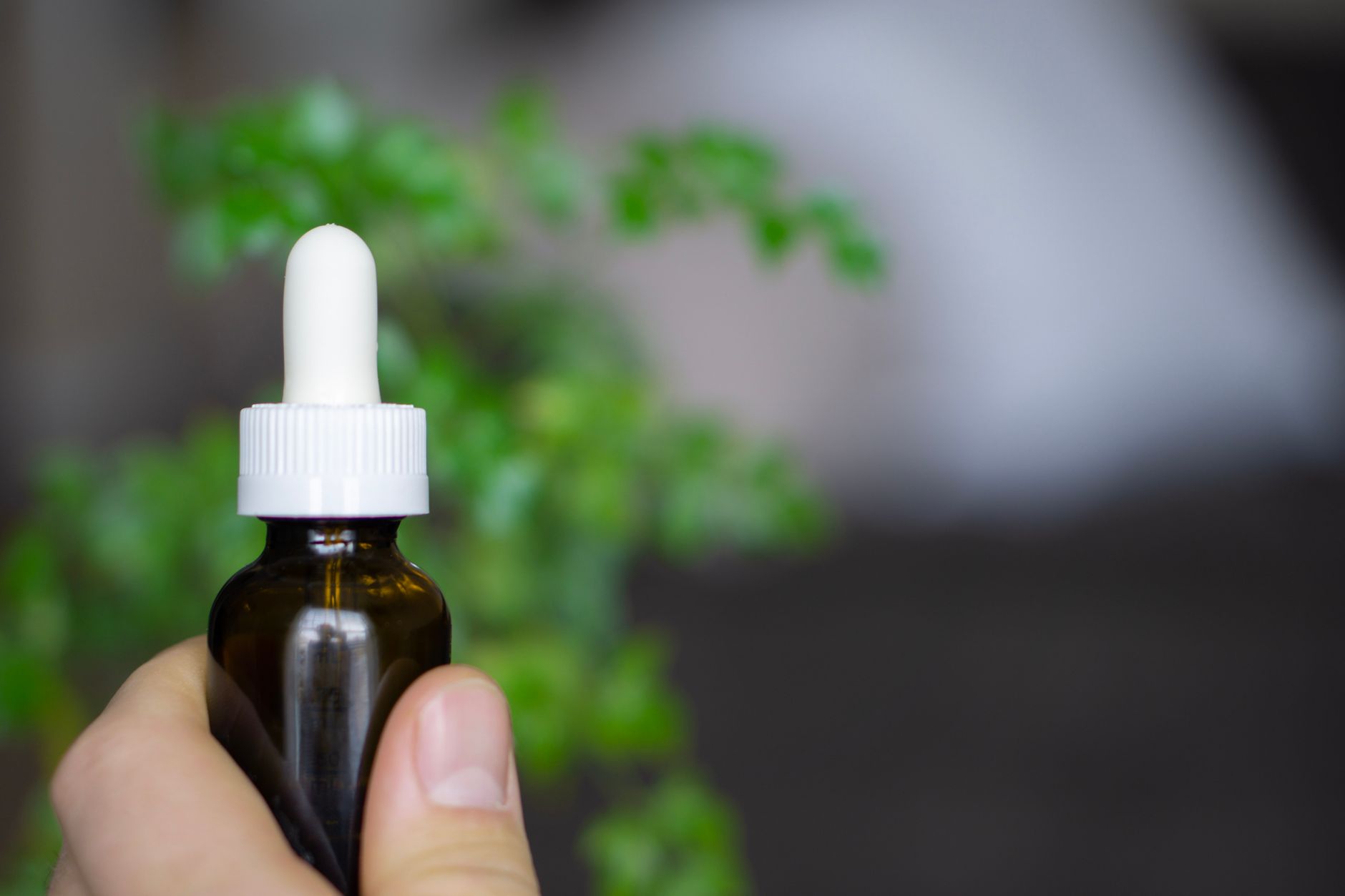
Drink drops sit somewhere between a tincture and a beverage. They arrive in small dropper bottles, they use a water-compatible formulation and they are designed to be added to a glass of water, sparkling water, juice or any non-alcoholic drink of your choice. The result is a self-mixed beverage with a defined amount of CBD per serving.
How drink drops differ from oil tinctures
An oil-based tincture uses a fat carrier — typically MCT coconut oil — and is intended to be taken directly under the tongue. If you drop one into a glass of water, the oil will bead on the surface. Drink drops use an emulsified or water-soluble formulation so that the extract disperses evenly into the water. The bottle looks similar, but the underlying chemistry is different.

How to read the label
Drink drops list total milligrams in the bottle, milligrams per dropper and, sometimes, drops per dropper. Because the delivery is by volume rather than by unit, being clear about the serving definition is important.
| Field | What it tells you |
|---|---|
| Total CBD in the bottle | Overall potency of the product |
| CBD per dropper | Rough serving figure — one full dropper equals one serving |
| Drops per dropper | Optional, allows partial servings |
| Emulsifier or carrier | Signals whether the product is water-compatible |
| Flavour, if any | Some drops are flavoured; unflavoured versions dissolve invisibly |
Flavours and mixers
Drink drops are often unflavoured or lightly flavoured with natural fruit essences. Neutral drops disappear into almost any beverage; flavoured drops pair with sparkling water and citrus juices. Avoid combining drops with very hot drinks or with alcoholic beverages, both because the product was not formulated for those uses and because responsible-use guidance around alcohol should always come first.
Portability and travel
The small format of a drop bottle makes them a common travel choice. Cap the bottle securely, store it upright and check the temperature — like most botanical extracts, drops are happier at room temperature than in a hot vehicle.
Consistency across servings
Because drops rely on the dropper as the measurement tool, servings can vary slightly depending on how the dropper is squeezed. A steady squeeze to the labelled fill line is more reliable than counting individual drops. If a product includes a numeric drops-per-dropper figure, that reflects the average and is not a strict guarantee.
Where drink drops fit in the category
- More precise than an infused tea bag.
- More portable than a ready-to-drink can.
- More flexible than a pre-measured gummy.
- Less familiar than an oil tincture, but easier to mix into a drink.
A short label checklist
- Milligrams per bottle and per serving clearly stated.
- Serving defined by dropper volume, ideally with drops-per-dropper.
- Water-compatible formulation confirmed (emulsifier named).
- Ingredient list including any flavourings.
- Batch number and Certificate of Analysis reference.
- Storage instructions.
As with every format in this category, the goal is not to memorise a specific product but to build a repeatable reading habit. Drops reward that habit because their labels are short and their format is simple. To compare how drops sit against other beverages, see our guides to CBD tea and beverages and CBD coffee.
Frequently asked questions
Are drink drops the same as a tincture?+
They look similar but are formulated differently. Drops are water-compatible; standard tinctures are oil-based.
Can I add drops to hot drinks?+
Most drops are formulated for cool or room-temperature liquids. Very hot drinks are not the intended use.
Do flavoured drops taste strong?+
Usually not u2014 the flavouring is light and works best in sparkling water or with a splash of citrus.
How long does a bottle of drops last?+
It depends on the size and per-serving figure. Divide total milligrams by per-serving milligrams to estimate the number of servings in the bottle.
Educational content only. Not medical or legal advice. See our CBD disclaimer.