CBD Basics
Do You Get a Hangover From Weed or Is It Something Else?
Yes, you can get a hangover from weed. Some people experience next-day effects such as brain fog, fatigue, headache, dry mouth, or difficulty concentrating after using cannabis, especially after consuming high-THC products or using more than usual. These symptoms can also overlap with poor sleep, dehydration, or other factors, so not every “weed hangover” is necessarily caused by cannabis alone.
Since dose is the single biggest factor in whether you wake up foggy, the source you buy from matters more than any morning-after remedy. If you’re in Vancouver and looking for a convenient way to shop, Cannabis delivery services Vancouver from budora can make it easier to find clearly labeled products and check potency percentages and milligrams per serving before you order. Knowing exactly what you are getting is the most practical first step toward preventing the problem.
Is a Weed Hangover Real?
The science is not enormous, but it does exist. A small body of research going back to the 1980s, and more recent studies from the last decade, have documented that cannabis can produce residual effects the following morning, including grogginess, difficulty concentrating, and a general sense of not being fully switched on.
Unlike alcohol, which causes a very specific physiological cascade involving acetaldehyde buildup and dehydration, a weed hangover is subtler and not the same across all users. Some people feel it every time. Others never do. A lot depends on potency, how much was consumed, whether edibles were involved, and how rested the person was to begin with.
So if you woke up feeling hungover from weed, you are not imagining it. It is a recognized, if not yet fully understood, after-effect.
What Are the Symptoms of a Weed Hangover?
The most commonly reported pot hangover symptoms tend to cluster around a few areas:
difficulty concentrating or finding words, sometimes described as thinking through cotton wool.
despite having slept, you feel unrested or physically heavy.
cannabinoids bind to receptors in the salivary glands and tear ducts, so these carry over from the night before.
more common when cannabis was smoked in volume or alongside alcohol.
particularly after edibles, where the digestive system was more involved.
some people wake up with a residual unease that fades through the morning.
Not everyone gets all of these, and in most cases the symptoms of a weed hangover are mild compared to an alcohol hangover. But they are real enough to disrupt a morning.
What Causes a Cannabis Hangover?
A THC hangover happens because cannabis does not fully clear your system the moment you fall asleep. THC and its metabolites are fat-soluble, which means they linger in tissue for hours after the intoxicating effects have passed. As your body continues to process those metabolites overnight, some people experience residual stimulation of cannabinoid receptors into the next day.
How long do the effects of pot last? The acute high from smoked cannabis typically peaks within thirty to sixty minutes and fades over two to four hours. But sub-perceptual effects can persist for considerably longer, particularly with high-potency products. This is where the hangover window opens.
Heavy use, high-THC strains, and back-to-back sessions all increase the likelihood of feeling off the next morning. Mixing cannabis with alcohol is one of the most reliable ways to worsen it, since alcohol accelerates THC absorption and amplifies its effects during use, leaving more for the body to work through overnight.
Are Weed Hangovers the Same as Alcohol Hangovers?
Not at all, though people sometimes describe them in similar terms. An alcohol hangover is driven by acetaldehyde toxicity, dehydration, electrolyte imbalance, and inflammation. It is a fairly brutal physiological process and one that worsens reliably with the amount consumed.
A weed hangover does not follow the same mechanism. There is no toxic metabolite equivalent to acetaldehyde, and cannabis does not cause the same kind of dehydration (though smoking anything can irritate the airways and dry out the mouth). The question of what is worse for you, alcohol or weed, is genuinely complicated and outside the scope of any simple comparison, but in terms of the morning-after experience, most people who have had both would agree the weed version is significantly milder.
The key similarity is that both get worse with volume. Using too much cannabis in a single session is the fastest route to waking up feeling rough.
Why Do I Still Feel High the Next Day After Edibles?
Edibles are a separate category when it comes to next-day effects. When you eat or drink cannabis, the THC is processed through your digestive system and liver before reaching your bloodstream. The liver converts it into 11-hydroxy-THC, which is more potent and longer-lasting than THC itself. This is why an edible taken at 9pm can still be active at 2am, and why some people genuinely wake up still feeling effects the next morning.
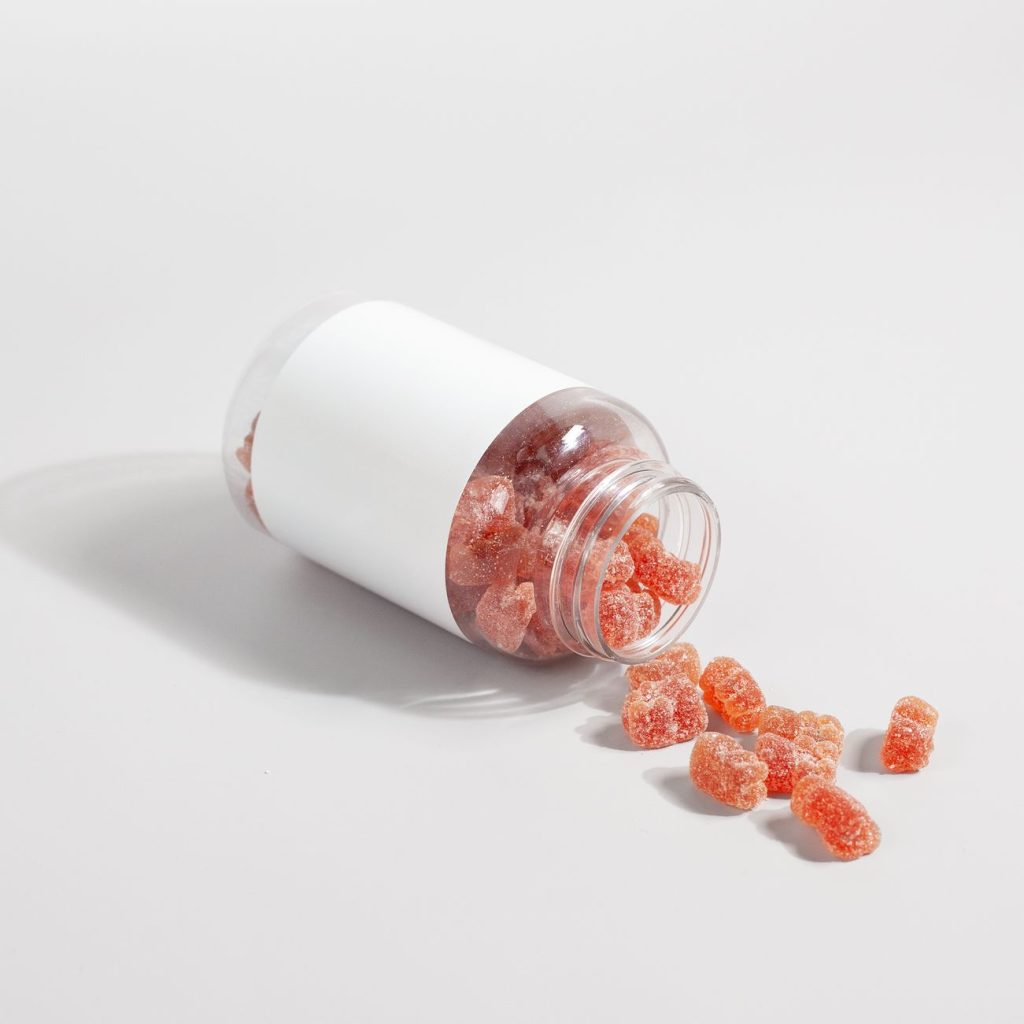
If you are looking for an edible format that is easier to dose accurately and less likely to carry over into the next morning, CBD gummies with low or zero THC behave quite differently from high-THC cannabis edibles. The onset timing and duration are shorter, which makes accidental overconsumption before bed less of a risk.
The practical upshot for high-THC edibles: they require more lead time and more caution with dose than smoked or vaped cannabis. A 10mg edible taken three hours before bed is far more likely to affect the following morning than the same dose taken six hours before bed.
How Long Does a Weed Hangover Last?
For most people, the worst of a pot hangover clears within the first half of the following day. The brain fog and fatigue tend to peak in the first couple of hours after waking and fade gradually through the morning. By early afternoon, most people report feeling back to baseline.
That timeline stretches with heavier use, edibles, or if the session involved mixing substances. In those cases, lingering effects into the late afternoon are not unusual. Chronic, daily cannabis users sometimes describe a more persistent low-grade version that is harder to distinguish from baseline because they have no recent drug-free day for comparison.
There is no reliable way to speed up the clearance of THC metabolites; the body moves at its own pace.
How to Recover from a Weed Hangover
The remedies are straightforward and you likely already know them. None of them accelerate THC metabolism, but they address the symptoms directly:
dry mouth and mild headaches often respond to simple rehydration. Start with a glass of water before coffee.
not just toast. Something with protein and fat helps stabilize blood sugar and gives your body something to work with.
a twenty-minute walk does more for brain fog than most people expect. Fresh air and light physical activity shift the sluggishness faster than lying in bed.
it sounds trivial, but a shower genuinely helps clear the grogginess and signals to your body that the day has properly started.
this is the obvious one, but worth saying. Using more to take the edge off the hangover is a short-term fix that extends the cycle.
How to Avoid a Cannabis Hangover
Prevention is straightforward if not always easy in practice. The main levers are:
this is the biggest one. The hangover scales with how much was consumed. Knowing your tolerance and sticking to it is more effective than any recovery routine.
lower-THC products produce milder residual effects. If you are prone to morning-after fogginess, a strain or product in the 10-15% THC range is going to be kinder than something north of 25%. In the CBD and low-THC space, the differences between cbd extract types also matter here, since full-spectrum products contain trace THC that adds to any existing load.
finishing your session two to three hours before you plan to sleep gives your body more of a head start on processing THC before you go horizontal.
alcohol and cannabis together is the most reliable way to guarantee a rough morning. If you drink, keep the two separate.
drinking water throughout a session rather than just at the end makes a meaningful difference for dry mouth and next-day headaches.
Can CBD Help with Weed Hangover Symptoms?
This comes up a lot and the answer is nuanced. Whether CBD actually helps depends on the symptoms you are dealing with and how well you understand how CBD interacts with the endocannabinoid system. For residual anxiety and restlessness after a high-THC session, CBD may offer some relief without adding intoxication. For physical symptoms like headache or dry mouth, the evidence is thinner.
One practical note before you reach for a CBD product the morning after: check that it actually has a published certificate of analysis showing no detectable THC. Full-spectrum products contain trace amounts of THC, which is not what you want when you are already trying to clear the previous night’s dose. Broad-spectrum or isolate products are the right call here.
When Should You Speak to Someone?
A standard weed hangover is uncomfortable but not dangerous. It resolves on its own within a day. However, a few situations are worth paying attention to:
- If you regularly wake up feeling you need cannabis before you can function normally, that is worth talking to a doctor about; it is a sign that tolerance and dependence may be factors.
- If you are using cannabis to manage anxiety, sleep problems, or pain, and the morning-after effects are interfering with your daily life, a GP or counsellor is better placed to help than any online article.
- And if you experience something more severe, such as significant heart palpitations, extreme disorientation, or vomiting, and you cannot get it under control, seeking medical attention is the right call. These reactions are rare but can happen, particularly with very high-dose edibles in people with low tolerance.
The Bottom Line
A weed hangover is real for many people, even if the science is still catching up to the experience. The symptoms (fogginess, fatigue, dry mouth, and mild anxiety) are directly linked to how much cannabis was consumed, the potency of the product, and whether edibles were involved. The best prevention is dose awareness and knowing exactly what you are buying before you order.
For anyone in the Metro Vancouver area, Budora is a licensed cannabis delivery service covering Vancouver and the surrounding suburbs, with same-day delivery and potency details published on every product. Being deliberate about what goes into a session is the most effective way to reduce the likelihood of a rough morning after.
And if you are exploring CBD for managing residual effects, the guides here on Hakuna Supply on extract types and certificates of analysis are a practical starting point.
Frequently asked questions
Can you get a weed hangover from vaping or smoking?+
Yes, though the likelihood and severity depend on amount rather than method. Smoked and vaped cannabis both deliver THC rapidly and clear faster than edibles, but heavy use of either can produce next-day residual effects, particularly brain fog and fatigue.
Are weed hangovers the same as drunk hangovers?+
No. Alcohol hangovers involve toxic metabolites, dehydration, and systemic inflammation. Weed hangovers are generally milder and do not share the same biochemical cause. The overlap is in how they both get worse with heavier use.
Does weed affect the next day if I only used a little?+
Low doses from occasional users rarely cause noticeable next-day effects. The hangover risk goes up with potency, frequency, and the use of edibles rather than smoked cannabis.
Why do I feel high the next day after edibles?+
Edibles are converted by the liver into 11-hydroxy-THC, which is more potent and slower to clear than inhaled THC. A large edible dose taken close to bedtime can still be active six to eight hours later.
Is weed for hangovers a thing?+
Some people use cannabis to ease the symptoms of an alcohol hangover, particularly nausea and headache. Whether that helps depends on the individual and the dose. Using more cannabis to manage a weed hangover, however, is not advisable; it tends to extend the cycle rather than end it.
Educational content only. Not medical or legal advice. See our CBD disclaimer.